
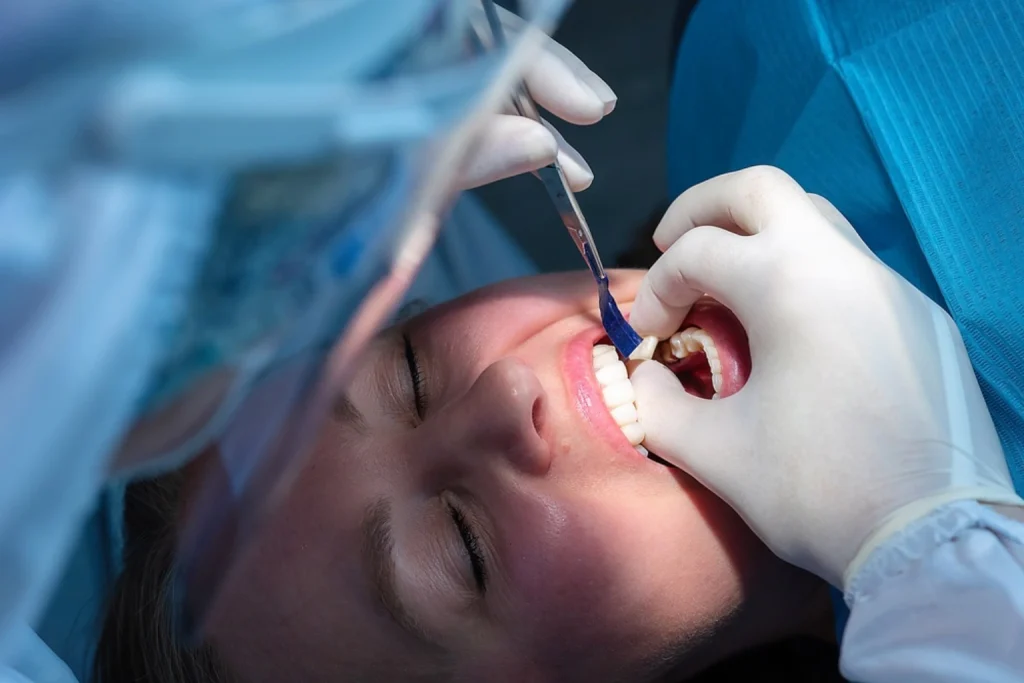
Many patients assume that once a dental crown is placed, no further care or attention is needed. This misunderstanding can lead to avoidable complications. Dental crowns are made from durable materials such as porcelain, ceramic, or metal, but they are not indestructible. Proper maintenance is what helps a crown last 10 to 15 years or longer. A crown protects the natural tooth beneath it, yet that tooth still depends on overall oral health to stay in good condition. This guide covers the problems that can occur without proper care and the practical steps that help a dental crown Melbourne CBD patients rely on stay in excellent condition for the long term.
Problems That Can Occur Without Proper Care
Neglecting oral hygiene after a crown is placed can lead to several issues that compromise both the restoration and the natural tooth underneath.
1. Tooth Decay Under the Crown
When oral hygiene is inconsistent, plaque builds up around the crown margin where it meets the gum, which can cause cavities. The crown itself does not decay, but it does not protect the natural tooth beneath from decay that starts at the margin. Once decay spreads, the crown often needs to be removed and replaced.
2. Gum Disease
Poor oral hygiene invites infection and inflammation around the crowned tooth. Over time, this can expose the crown edges, affecting both appearance and stability of the restoration.
3. Loose Crowns
Persistent poor hygiene or excessive pressure can cause a crown to loosen or detach entirely. Biting into hard foods regularly increases this risk considerably.
4. Chips and Cracks
Habits such as biting on ice or hard candies, or using the teeth as tools, can damage porcelain crowns. Patients with teeth grinding, a habit known as bruxism, face additional wear and are more likely to develop cracks or fractures in the crown.
5. Sensitivity and Bad Breath
Food particles trapped around the crown can cause odour, and sensitivity often develops when the crown margin is compromised. Both issues signal that the crown or the surrounding tissue needs professional attention.
Effective Tips for Long-Lasting Crown Results
The following habits protect both the crown and the natural tooth structure it covers.
1. Maintain Excellent Oral Hygiene
Plaque and debris around the crown are the leading contributors to crown failure. Gentle, consistent cleaning keeps bacteria away and protects the restoration. Brush twice daily with a soft-bristled toothbrush and fluoride toothpaste, and avoid aggressive brushing that leads to gum recession.
2. Floss Carefully
Flossing removes food particles between teeth, where plaque builds most quickly. Around a crown, the technique matters: slide the floss gently rather than snapping it downward, which can damage the crown margin. Floss threaders or water flossers make cleaning around crowns and bridges easier.
3. Avoid Sticky and Hard Foods
Hard candies, popcorn kernels, hard nuts, and sticky items such as caramel and chewing gum create pressure that can loosen or crack a crown. Avoiding very sticky foods and cutting harder foods into smaller pieces significantly reduces the risk.
4. Use a Mouthguard for Bruxism
Habitual grinding puts extra stress on both natural teeth and crowns, and this stress is a leading cause of crown fracture. A custom night guard from the practice’s teeth grinding and jaw problems service protects the restoration during sleep and prevents damage that repairs cannot always undo.
5. Schedule Regular Dental Checkups
Every six months (or more often if a dentist advises it) a professional cleaning removes hardened plaque that home care cannot reach. The dentist Melbourne CBD also examines the crown margins, monitors gum health, and confirms that the restoration is functioning correctly. For a broader overview of these restorations, see the guide on everything you need to know about crowns and bridges.
For expert crown placement, ongoing maintenance, and personalised guidance, the team at Women in Dentistry provides comprehensive restorative care for patients across Melbourne CBD.
When to Seek Emergency Dental Care
Certain symptoms should not be managed at home. Uncontrolled pain combined with facial or jaw swelling, persistent bleeding, or trauma to a crowned tooth requires immediate professional attention, as delays can lead to serious complications. Avoid applying heat directly or using sharp objects on the tooth in an attempt to manage the situation.
Home remedies can offer temporary relief but do not replace professional treatment. For urgent situations, prompt emergency dental care in Melbourne CBD is the safest option to protect both the crown and the natural tooth structure underneath.
Frequently Asked Questions
How long does a dental crown typically last?
The average lifespan of a dental crown is 10 to 15 years. With proper care and regular dental checkups, some crowns last up to 20 years.
Can a crowned tooth still get cavities?
The crown itself cannot decay, but the natural tooth underneath can develop cavities at the margin where the crown meets the gum. Consistent cleaning around this margin is essential to prevent decay.
Is it normal to feel sensitivity after getting a crown?
Mild sensitivity to hot or cold is common for a few days or weeks after placement. If pain persists, increases, or feels sharp, a professional assessment is recommended to rule out an underlying issue.





