
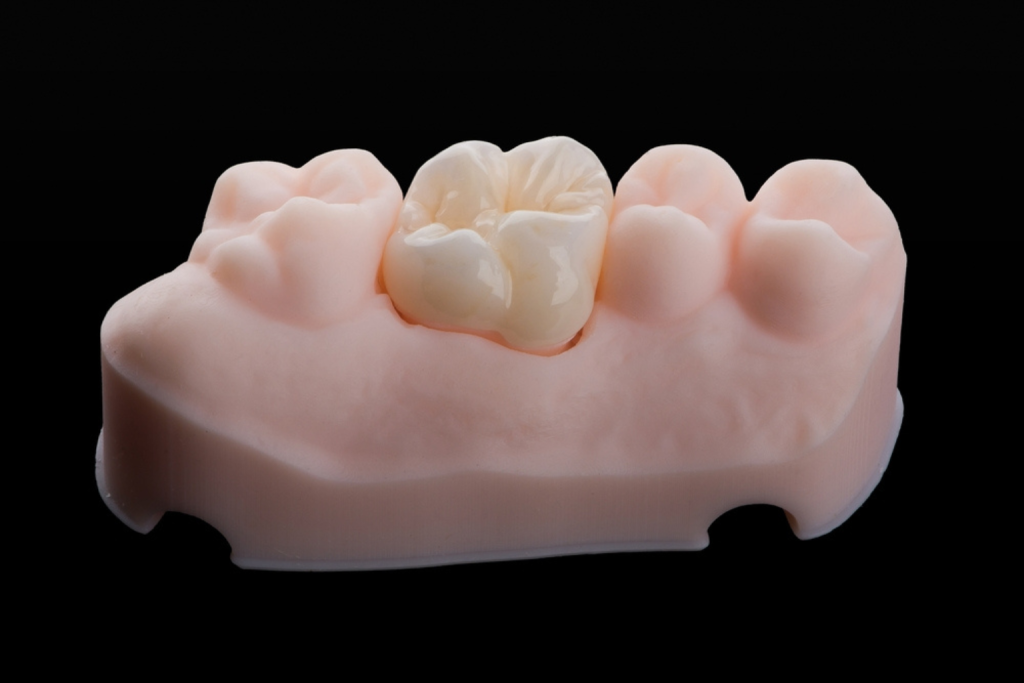
When a tooth is badly damaged, decayed or weakened, the aim is almost always to save it rather than lose it, and a crown is one of the most reliable ways to do exactly that. A crown caps a tooth entirely, restoring its shape, strength and appearance, and giving a tooth that might otherwise be beyond a simple filling a new lease of life. Crowns quietly do a great deal of the heavy lifting in everyday dentistry, yet many people are unsure what they actually involve. Understanding what a crown is, when it is needed, and what the process is like takes the mystery out of a common and dependable treatment.
What a Dental Crown Is
A crown is a custom-made cap that fits over the whole visible part of a tooth. Rather than filling a portion of the tooth as a filling does, it covers the entire tooth, restoring its shape, size and strength.
As healthdirect explains, a crown covers an existing tooth and can improve how a decayed or broken tooth both looks and functions, effectively giving it a strong new outer surface.
Crowns can be made from several materials, including tooth-coloured porcelain and ceramic that blend in naturally with the surrounding teeth, which makes them suitable for teeth that show as well as those at the back.
Modern crowns are made to fit precisely and to look natural, so a well-made crown on a visible tooth is designed to be difficult to distinguish from the teeth around it, restoring appearance as well as strength.
When a Tooth Needs a Crown
A crown is generally recommended when a tooth is too damaged or weakened for a filling to be enough. That might be a tooth with a large old filling, or one that has cracked or worn down and is at risk of breaking further.
A crown is also the usual finishing step after root canal treatment, since a tooth that has had a root canal can become more brittle and benefits from the protection a crown provides against fracture.
It is a versatile treatment, restoring both function and appearance, and it is also what is fitted on top of a dental implant to complete the replacement of a missing tooth.
In each of these situations, the shared aim is to save and protect a tooth, or complete a replacement, keeping the natural tooth wherever possible rather than resorting to removing it.
What the Process Involves
Fitting a crown usually takes place over a couple of visits. At the first, the tooth is prepared by removing any decay and shaping it so the crown can fit over it, and an impression or digital scan is taken.
This is used to make the crown to match the shape and colour of your other teeth. A temporary crown often protects the tooth in the meantime, while the permanent one is being made.
At the second visit, the finished crown is checked for fit and bite and then cemented into place. Some practices use technology that allows a crown to be made and fitted in a single visit, depending on the case.
Whichever approach is used, the crown is carefully checked for how it meets the opposing teeth, since a comfortable, even bite is an important part of a crown that feels natural and lasts well.
Modern materials and precise digital scans have made this process more comfortable and accurate than in years past, which is part of why crowns remain such a dependable way to restore a damaged tooth.
Caring for a Crown
A crown is looked after much like a natural tooth. Although the crown itself cannot decay, the tooth beneath it and the gumline around it can, so brushing and cleaning between the teeth remain important.
Keeping up regular check-ups lets the dentist keep an eye on the crown and the tooth supporting it, catching any issue at the margins early before it affects the underlying tooth.
Looked after well, a crown can last many years. Avoiding habits like chewing very hard objects or grinding, which a night guard can help with, also helps a crown last as long as possible.
Restoring Teeth in Melbourne CBD
For people across the Melbourne CBD, East Melbourne, Southbank and the surrounding suburbs with a damaged or heavily filled tooth, an assessment is the sensible first step to finding out whether a crown is the right way to restore it.
Offering crowns and bridges, the team can assess a damaged tooth and explain whether a crown would restore it well, along with what the treatment would involve from preparation to fitting.
A crown is a dependable way to save a tooth that might otherwise be lost, restoring both the strength and the natural appearance of a smile.
The Takeaway
A dental crown is a custom-made cap that fits over the whole of a damaged tooth, restoring its shape, strength and appearance where a filling would not be enough. It is used for teeth that are heavily filled, cracked or worn, after root canal treatment, and on top of implants, and can be made from natural-looking porcelain. Fitting usually takes a couple of visits, and a crown is cared for like a natural tooth, since the tooth beneath it can still decay. Women in Dentistry offers crown and bridge treatments in the Melbourne CBD and can advise whether a crown suits your tooth.
Frequently Asked Questions
What is a dental crown?
A crown is a custom-made cap that fits over the whole visible part of a tooth. Unlike a filling, which replaces part of a tooth, a crown covers the entire tooth to restore its shape, size and strength. Crowns can be made from tooth-coloured porcelain or ceramic that blends in naturally with the surrounding teeth.
When do I need a crown instead of a filling?
A crown is usually recommended when a tooth is too damaged or weakened for a filling to be enough, such as a tooth with a large old filling, or one that has cracked or worn down. A crown is also the usual finishing step after root canal treatment, protecting the tooth against fracture.
How is a crown fitted?
Fitting a crown usually takes a couple of visits. First the tooth is prepared and shaped, and an impression or digital scan is taken to make the crown, often with a temporary crown protecting the tooth in the meantime. At the second visit, the finished crown is checked for fit and bite and cemented into place.
How long do crowns last?
Looked after well, a crown can last many years. Although the crown itself cannot decay, the tooth beneath it and the gumline around it can, so brushing, cleaning between the teeth and regular check-ups all matter. Avoiding chewing very hard objects, and treating grinding, also helps a crown last as long as possible.
Does getting a crown hurt?
The tooth is numbed for the preparation, so you generally feel pressure rather than pain during the procedure. Some mild sensitivity afterwards is common and usually settles. If the tooth had an infection, a root canal may be needed first. Your dentist will make sure you are comfortable throughout each stage of the process.
This blog is intended for general informational purposes only and does not constitute medical or dental advice. Every patient’s oral health needs are unique. Please consult a qualified dental practitioner for advice specific to your situation. Women in Dentistry encourages all patients to seek a professional assessment before commencing any dental treatment.





