
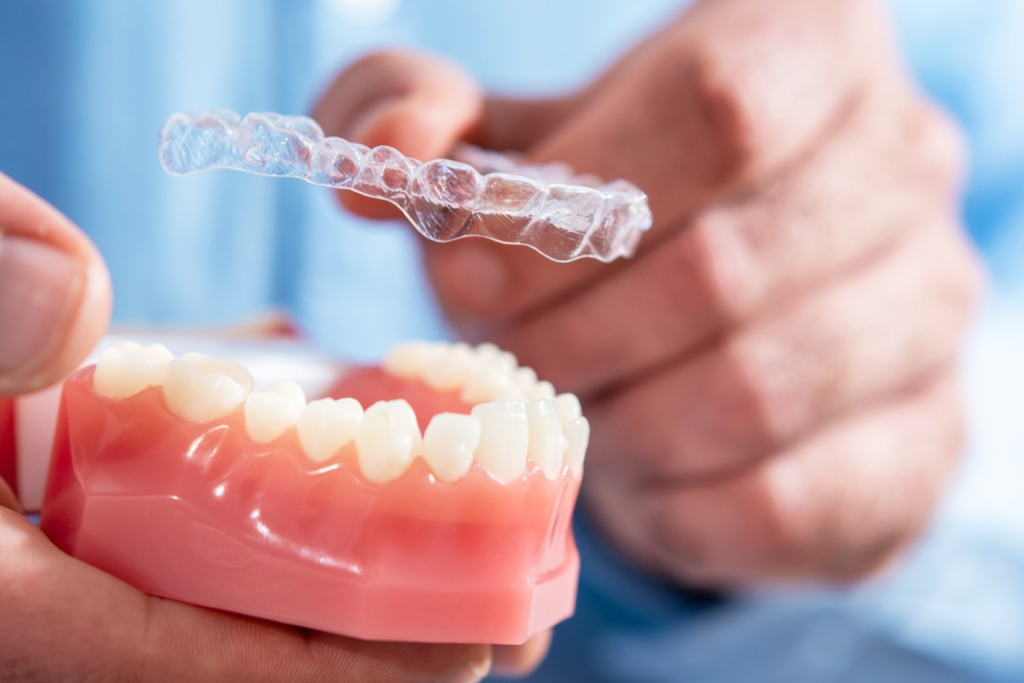
Straightening teeth was once synonymous with a mouthful of metal brackets. Clear aligners changed that, offering adults and teenagers a discreet alternative, and Invisalign is among the best known. Using a series of clear, removable trays, the treatment guides the teeth into better positions gradually, and does so in a way that is easy to overlook in everyday life. It particularly appeals to professionals and anyone who would rather not advertise that they are straightening their teeth. Understanding how clear aligners work, what makes them appealing, and what to know before starting helps anyone considering the option decide whether it fits their situation and lifestyle.
Why Straighten Teeth at All
Straightening teeth is not only a matter of appearance. Teeth that overlap or sit unevenly are harder to clean thoroughly, which can leave certain spots more prone to decay and gum problems over time.
As healthdirect explains, orthodontic treatment helps straighten teeth and correct problems with the bite, improving both the health and the function of the mouth, not just its look.
A bite that meets evenly spreads the forces of chewing more comfortably, so straightening is worth considering for reasons beyond a tidier smile, and clear aligners are one discreet way to achieve it.
Crowded or crooked teeth can also place uneven wear on the enamel and, in some cases, strain the jaw, so aligning them is not purely cosmetic but can contribute to the long-term health and comfort of the mouth.
How Clear Aligners Work
Invisalign uses a series of custom-made, removable trays of clear plastic. Each is shaped slightly differently, and worn in sequence they apply gentle, controlled pressure that moves the teeth a little at a time.
Every couple of weeks you progress to the next tray in the series, each nudging the teeth a step closer to the planned final position. The whole sequence is mapped out in advance from a digital scan of your teeth.
Small tooth-coloured attachments are sometimes added to a few teeth to help the aligners grip and guide certain movements. These are removed once treatment finishes, leaving the teeth as they were.
The digital scan also means many people can see a preview of the likely final result before starting, which helps set clear, realistic expectations about what the treatment is working towards.
The Appeal of Invisalign
The obvious draw is discretion. The aligners are hard to notice, so many adults feel comfortable wearing them at work and socially in a way they might not with metal braces, which is a large part of their popularity.
They are also removable, which brings genuine practical benefits. You take them out to eat, so there are no food restrictions, and to brush and floss, so keeping your teeth clean is far more straightforward than with fixed braces.
With no brackets or wires, there is also less of the irritation to the cheeks and lips that braces can cause, and none of the emergencies that come from a broken bracket or a poking wire.
For many adults it is this combination of discretion and convenience that makes clear aligners appealing, fitting around work and social life with far less disruption than they might have expected from orthodontic treatment.
The removable trays do ask for a little discipline in return, but for those happy to keep them in, the freedom to eat and clean normally is a trade many people are glad to make.
What to Know Before Starting
The flip side of being removable is that aligners only work while they are actually being worn. They need to be kept in for most of the day and night, so the treatment suits people willing to be disciplined about wearing them consistently.
Clear aligners handle many common cases of crowding, spacing and mild to moderate bite issues well, though more complex movements can sometimes be managed more predictably with braces, which is why a proper assessment matters.
Healthy teeth and gums come first, and, as with any orthodontic treatment, a retainer is needed afterwards, since teeth naturally tend to drift back towards their old positions once treatment finishes.
A Straighter Smile in Melbourne CBD
For people across the Melbourne CBD, Carlton, Docklands and the surrounding suburbs thinking about straightening their teeth discreetly, the starting point is an assessment of what the teeth need and whether aligners suit the case.
Offering Invisalign clear aligners, the team can talk through whether the treatment suits your situation and goals, so you can weigh up the option with a clear picture of what it involves.
Straighter teeth are an investment in both appearance and long-term dental health, and clear aligners offer a discreet route to get there for those the treatment suits.
The Takeaway
Invisalign uses a series of clear, removable trays to guide teeth into better positions gradually and discreetly. Straightening is worthwhile for health as well as looks, since well-aligned teeth are easier to clean and an even bite is kinder to the teeth and jaw. The aligners are hard to notice and are removed to eat and clean, but they only work while worn, so they suit people willing to keep them in most of the day. Healthy teeth come first, and a retainer is needed afterwards. Women in Dentistry offers Invisalign clear aligners in the Melbourne CBD and can advise whether they suit your case.
Frequently Asked Questions
How does Invisalign work?
Invisalign uses a series of custom-made, clear, removable trays, each shaped slightly differently. Worn in sequence and changed every couple of weeks, they apply gentle, controlled pressure that moves the teeth a little at a time towards a planned final position. The whole sequence is mapped out in advance from a digital scan of your teeth.
Are clear aligners really less noticeable than braces?
Yes, considerably. The trays are clear and hard to notice in everyday situations, which is why many adults feel comfortable wearing them at work and socially in a way they might not with metal braces. They are not completely invisible, but they are far more discreet than fixed brackets and wires.
What are the advantages of Invisalign over braces?
The aligners are discreet and removable. You take them out to eat, so there are no food restrictions, and to brush and floss, making cleaning easier than with fixed braces. There are also no brackets or wires, so less irritation and no broken-bracket emergencies. However, they only work while actually being worn.
Do clear aligners work for everyone?
They handle many common cases of crowding, spacing and mild to moderate bite issues well, but more complex movements can sometimes be managed more predictably with braces. They also only work if worn for most of the day and night. An assessment of your teeth is the way to find out whether aligners suit your particular case.
Do I need a retainer after Invisalign?
Yes, usually. Teeth naturally tend to drift back towards their original positions once treatment finishes, so a retainer is worn to hold the new alignment in place. Wearing it as advised protects the result you have worked towards, and your dentist will explain how and for how long it is needed.
This blog is intended for general informational purposes only and does not constitute medical or dental advice. Every patient’s oral health needs are unique. Please consult a qualified dental practitioner for advice specific to your situation. Women in Dentistry encourages all patients to seek a professional assessment before commencing any dental treatment.





