
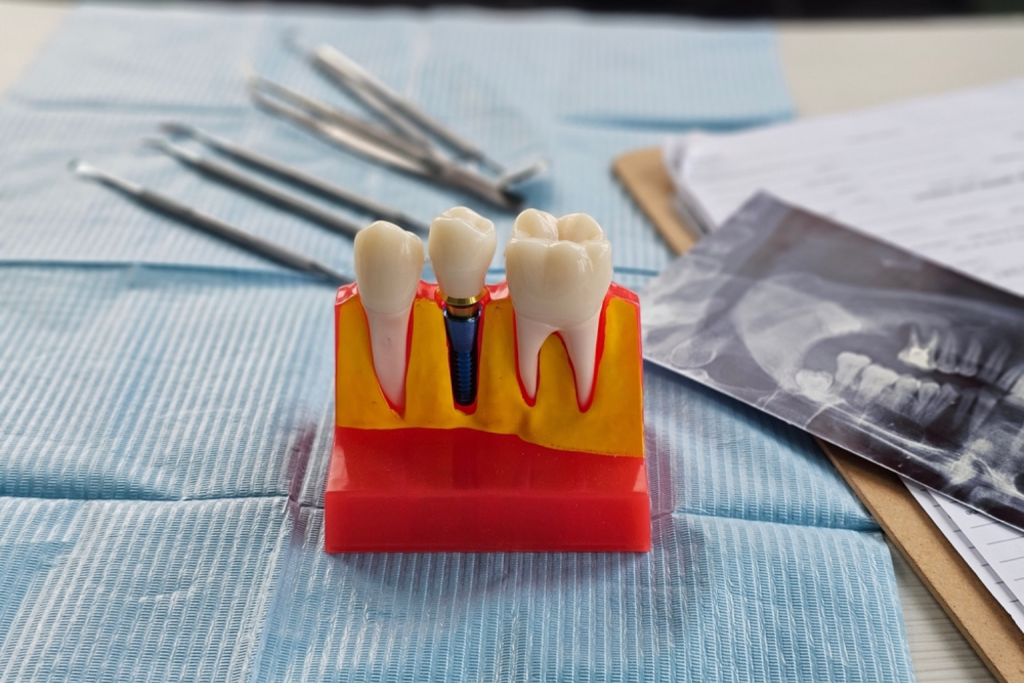
A gap may look small, but planning to replace one tooth involves more than choosing a place for an implant. The condition of the gum, the shape of the jawbone and the way nearby teeth meet can all affect the options worth discussing.
A single tooth dental implant plan is built around those details, not a standard template. Understanding what your dentist assesses can help you ask useful questions and see why two people with a similar-looking gap may receive different recommendations.
The tooth site sets the starting point
Your dentist first needs to understand why the tooth is missing or needs removal. A tooth lost through injury, decay or gum disease may leave different conditions behind. Existing infection or inflammation also needs attention as part of planning.
The position of the gap matters. A front tooth is visible when you smile, so the gum line, neighbouring tooth shapes and appearance of the replacement may be important considerations. A back tooth has different demands, including the forces created by chewing and the space available between teeth.
The condition of the teeth beside the gap also influences the plan. They may have fillings, crowns, wear or other concerns that affect how they meet the replacement. Your dentist will assess whether the neighbouring teeth are healthy and how the bite works across the area.
Timing is another part of the discussion. Some assessments happen after a tooth has been removed and the area has healed. In other cases, the dentist may assess the tooth before removal. The appropriate sequence depends on the site and your oral health.
Bone and gum health affect what can be planned
An implant is placed in the jawbone, so the amount and shape of bone at the site matter. A clinical examination and dental imaging can help the dentist assess the area and its relationship to nearby structures. Imaging also provides information that cannot be judged by looking at the gap alone.
Bone can change after a tooth is lost. The extent and timing of that change vary. If the available bone does not suit the proposed implant position, the dentist may discuss other steps or treatment options. Whether any additional procedure is appropriate can only be assessed for your individual circumstances.
Gum health matters too. Redness, bleeding or a history of gum disease can affect the planning conversation. Your dentist may recommend addressing active gum problems and establishing a suitable cleaning routine before proceeding with implant treatment.
The gum tissue around the future tooth is also relevant to its appearance and maintenance. In a visible area, the relationship between the implant, the replacement tooth and the gum edge may need particular attention. No plan can remove all uncertainty about how tissue will respond, so your dentist should explain relevant considerations for your case.
Your bite and neighbouring teeth shape the design
A replacement tooth needs to fit into the way your teeth meet. If the gap has been present for a while, nearby teeth may have shifted or the opposing tooth may have moved into the space. These changes can affect the room available for a replacement.
The dentist will consider how your bite loads the area. A tooth that takes strong chewing forces may need a different design discussion from one with lighter contact. Teeth grinding or clenching can also be relevant, because repeated forces may place extra stress on teeth and dental restorations.
The shape and position of adjacent teeth influence the size and contour of the replacement. The goal of planning is to consider function, cleaning access and appearance together. A very tight space, for example, may need careful assessment before a replacement can be designed.
An implant does not connect to the neighbouring teeth in the same way as a traditional bridge. That distinction can be part of comparing options, but it does not make an implant suitable for everyone. Your dentist can explain the benefits, limitations and maintenance needs of options that fit your situation.
Health history and daily care are part of the assessment
Your general health and medicines can affect dental treatment planning. Tell your dentist about medical conditions, prescribed and over-the-counter medicines, allergies, and past dental treatment. This information helps the clinician consider whether further advice or coordination with another health professional is needed.
Smoking and some health conditions may affect healing. Share relevant details openly, including if you smoke or have difficulty keeping your mouth clean. These factors do not determine suitability on their own, but they can be important in discussing risks and the care needed before and after treatment.
Daily cleaning is essential to maintaining the health of the gums around an implant. Your dentist or oral health professional can show you how to clean around the proposed restoration and explain how often reviews may be advised. An implant still needs ongoing care, even though it is not a natural tooth.
Planning should also cover what happens if an implant is not the preferred option. Depending on the examination, alternatives may include a bridge, a removable partial denture or leaving the space as it is. Each option has different implications for function, appearance, maintenance and the teeth around the gap.
What to expect at a planning consultation
A consultation usually begins with a discussion about your concerns, dental history and what you hope to achieve. The dentist may examine the gap, gums, neighbouring teeth and bite, and review suitable imaging. Further records may be needed before a treatment plan can be confirmed.
Ask what the assessment has found and which factors matter most in your case. Useful questions include: Is the bone suitable for the proposed position? Are the gums healthy? Do nearby teeth need treatment? What alternatives are available, and what care will the option require over time?
It is also reasonable to ask about the stages involved, expected review appointments, possible complications and what could change the plan. Treatment timing varies according to individual findings and healing, so a consultation is the right place to discuss a likely sequence for your circumstances.
A written plan can help you compare options and understand the reasons behind each recommendation. Suitability cannot be decided from a photograph or a general description of the gap. It depends on a clinical assessment and, where needed, diagnostic imaging.
The Takeaway
A single-tooth implant plan considers the gap, bone, gums, bite, neighbouring teeth and your health history. These details help your dentist discuss whether an implant or another option may suit you, along with the care each choice involves. Ready to take the next step? Booking with Women in Dentistry takes only a moment. Arrange an appointment online or call the practice to find a time that suits you.
Frequently Asked Questions
Does everyone with one missing tooth suit an implant?
No. Suitability depends on your oral and general health, the condition of the bone and gums, and other clinical findings. A dentist can assess your circumstances and discuss appropriate options.
What scans or images may be needed?
Your dentist may use dental imaging to assess the site and nearby structures. The type of imaging depends on what information is needed for planning. Your clinician can explain why an image is recommended.
Can an implant be placed straight after a tooth is removed?
Sometimes immediate placement may be considered, but it is not suitable in every case. The condition of the site, infection, bone and gum tissue can influence timing. Your dentist will assess whether it is an option for you.
Will nearby teeth need treatment first?
That depends on their condition and how they meet the replacement. If a neighbouring tooth has decay, gum concerns or other issues, your dentist may recommend addressing these as part of the overall plan.
How long does the treatment process take?
The timing varies with the treatment sequence, site conditions and healing. Your dentist can outline the stages and likely review schedule after assessing your mouth.
What if an implant is not suitable for me?
Your dentist can discuss alternatives, such as a bridge or removable partial denture, where appropriate. You can ask about how each option affects nearby teeth, cleaning and ongoing maintenance.
This article provides general information only and does not replace an individual dental assessment. Women in Dentistry can advise on treatment suitability after a consultation.





