
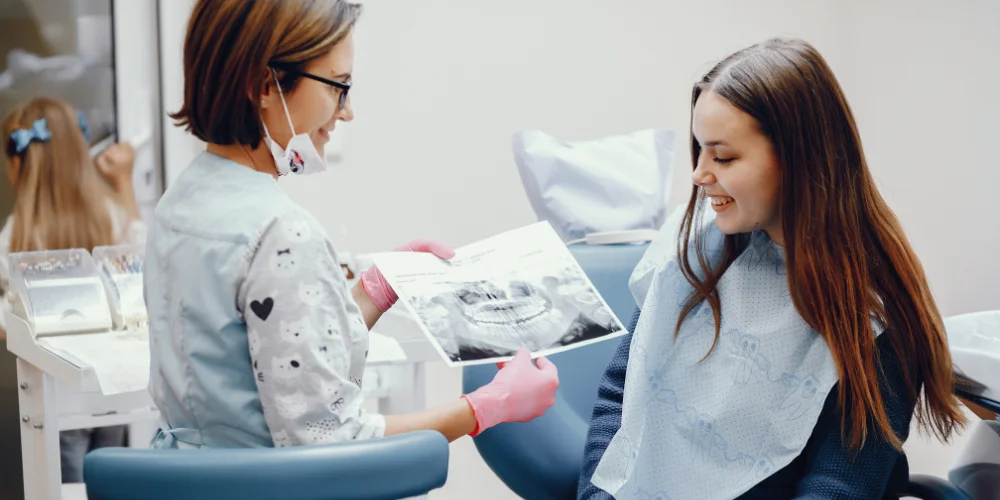
Pregnancy brings a whirlwind of changes. Your body adapts in remarkable ways, from shifting hormones to altered appetite and energy levels. While most expectant mothers focus on scans, supplements, and nursery plans, oral health in pregnancy is often overlooked. Yet dental check-ups during pregnancy play a meaningful role in supporting both maternal oral health and overall wellbeing.
Many women notice bleeding gums in pregnancy, increased plaque buildup, or greater tooth sensitivity. These changes are not unusual. They are often linked to hormonal changes and oral health interactions that make the gums more reactive. Regular dental examinations provide a chance to monitor these changes early, offer preventive dental visits, and tailor guidance to your trimester dental visits.
How Does Pregnancy Affect Oral Health?
Hormonal changes during pregnancy, particularly rising progesterone and oestrogen levels, can influence how gum tissue responds to plaque. Even a small amount of plaque may trigger pregnancy-related gum inflammation. This condition is commonly known as pregnancy gingivitis.
Common symptoms may include:
- Swollen gums in pregnancy
- Gum redness and swelling
- Increased gum bleeding during brushing
- Gum tenderness
- Heightened plaque sensitivity
Hormonal shifts can make gums more reactive to plaque, which means preventive oral health strategies become even more important. Professional teeth cleaning and dental scaling during pregnancy help manage plaque accumulation and reduce inflammation.
Morning sickness and enamel erosion can also play a role. Repeated exposure to stomach acid may weaken enamel health. If vomiting occurs frequently, teeth may become more vulnerable to cavities. Dietary changes and tooth decay risk can also increase if cravings lean towards sugary or acidic foods.
Why Are Routine Dental Check-Ups Important for Expectant Mothers?
Prenatal dental care focuses on prevention, early detection, and reassurance. A routine dental examination allows for a full dental assessment during pregnancy, helping to identify early signs of gum disease, enamel erosion, or cavity formation.
Early identification of gum disease matters because untreated gum inflammation can progress. Periodontal monitoring ensures that concerns are addressed before they become more complex. While outcomes vary between individuals, maintaining good oral hygiene during pregnancy supports comfort and stability.
Professional oversight from an AHPRA registered practitioner provides trimester-specific guidance. Each stage of pregnancy may influence how the body responds to oral bacteria. A personalised approach ensures that advice aligns with your current needs.
Key benefits of preventive dental visits during pregnancy include:
- Monitoring gum inflammation and plaque accumulation
- Supporting cavity prevention while pregnant
- Addressing enamel erosion linked to morning sickness
- Providing fluoride toothpaste use in pregnancy guidance
- Offering advice on managing increased plaque buildup
What Happens During a Pregnancy Dental Examination?
A dental assessment during pregnancy typically includes a gentle review of gum health, plaque levels, and enamel condition. Professional cleaning may be recommended to remove hardened plaque deposits that cannot be removed by brushing alone.
The focus remains educational and supportive. Expectant mothers often receive guidance on brushing techniques, flossing adjustments, and oral hygiene tips that align with pregnancy-related changes.
Table: Common Oral Health Changes in Pregnancy
| Oral Change | Why It Happens | What Monitoring Supports |
| Bleeding gums | Hormonal effects on gum response | Early detection of pregnancy gingivitis |
| Swollen or tender gums | Increased plaque sensitivity | Professional cleaning and monitoring |
| Enamel sensitivity | Acid exposure from morning sickness | Enamel protection guidance |
| Increased cavities | Dietary changes and tooth decay risk | Preventive oral health strategies |
How Do Hormones Influence Gum Health During Pregnancy?
Progesterone and gum response are closely connected. Elevated hormone levels may increase blood flow to the gums, contributing to swelling and tenderness. Plaque-induced gingivitis becomes more noticeable, even when oral hygiene habits remain consistent.
Some women may also experience pregnancy epulis, a localised gum growth linked to hormonal shifts. While not typically harmful, it may require professional evaluation to ensure comfort and stability.
Bleeding during brushing may feel concerning, but it often reflects inflammation rather than damage. Consistent oral hygiene can assist in managing inflammation, and professional dental scaling during pregnancy supports plaque control.
Can Preventive Care Support Overall Maternal Wellbeing?
Maintaining maternal oral health supports comfort and confidence during pregnancy. Addressing oral bacteria shifts and gum inflammation reduces the likelihood of discomfort. While individual outcomes vary, preventive dental clinic Melbourne visits align with broader prenatal health planning.
Dental professionals may recommend:
- Gentle brushing with fluoride toothpaste
- Flossing adjustments to minimise gum irritation
- Regular monitoring of gum tenderness
- Professional cleaning when indicated
This approach ensures that pregnancy-related gum inflammation remains manageable.
Where Can Women Access Supportive, Informed Dental Care?
At Women in Dentistry, the focus is on supporting women through every stage of life, including pregnancy. The team understands that pregnancy dental safety and oral health assessment during pregnancy require sensitivity, clarity, and reassurance. Care is delivered in a calm and informative manner, with personalised guidance based on trimester and individual needs.
Women in Dentistry places strong emphasis on preventive dental visits, maternal oral health education, and respectful communication. Expectant mothers receive balanced information about oral changes, professional monitoring, and tailored hygiene strategies. The goal is to help women feel informed and supported, without pressure or unnecessary intervention.
What Does Current Australian Guidance Say About Oral Health in Pregnancy?
Australian health authorities highlight the importance of maintaining oral health during pregnancy as part of overall maternal care. Preventive dental visits and early identification of gum disease are encouraged. Maintaining gum health may reduce the likelihood of ongoing inflammation.
For further information:
- Australian Dental Association. Oral health during pregnancy.
https://www.ada.org.au/Your-Dental-Health/Oral-Health-During-Pregnancy - Raising Children Network Australia. Dental care during pregnancy.
https://raisingchildren.net.au/pregnancy/health-wellbeing/dental-care - Queensland Health. Oral health and pregnancy.
https://www.health.qld.gov.au/oralhealth/adults/pregnancy
Frequently Asked Questions
Is it common to experience bleeding gums during pregnancy?
Yes. Hormonal changes can increase gum sensitivity and blood flow, which may lead to bleeding during brushing. Professional monitoring helps ensure inflammation remains manageable.
Should I delay dental check-ups until after pregnancy?
Routine dental examinations are generally appropriate during pregnancy. Informing your dentist about your trimester allows care to be tailored accordingly.
Can morning sickness affect my teeth?
Repeated exposure to stomach acid may contribute to enamel erosion. A dental assessment can help monitor enamel health and provide preventive guidance.
Is professional teeth cleaning safe during pregnancy?
Professional cleaning is commonly performed during pregnancy to assist with plaque control and gum health. Suitability is assessed individually.
What is pregnancy gingivitis?
Pregnancy gingivitis refers to gum inflammation linked to hormonal changes and increased plaque sensitivity. It often presents with swelling and bleeding.
Will gum changes improve after pregnancy?
In many cases, gum inflammation reduces after hormonal levels stabilise. Continued oral hygiene and monitoring support recovery.
Disclaimer
All dental procedures involve potential risks and benefits. The information provided in this blog is general in nature and should not be taken as medical advice. We recommend that you seek guidance from a suitably qualified health professional before making decisions about your oral health. Where appropriate, you may also wish to consider obtaining a second opinion.
Any images or videos featured are shared with the informed consent of our patients and are intended for educational purposes only. They are not a guarantee of results, as every patient is unique. Treatment outcomes — including recovery, potential complications, and effectiveness — can vary from person to person.





