
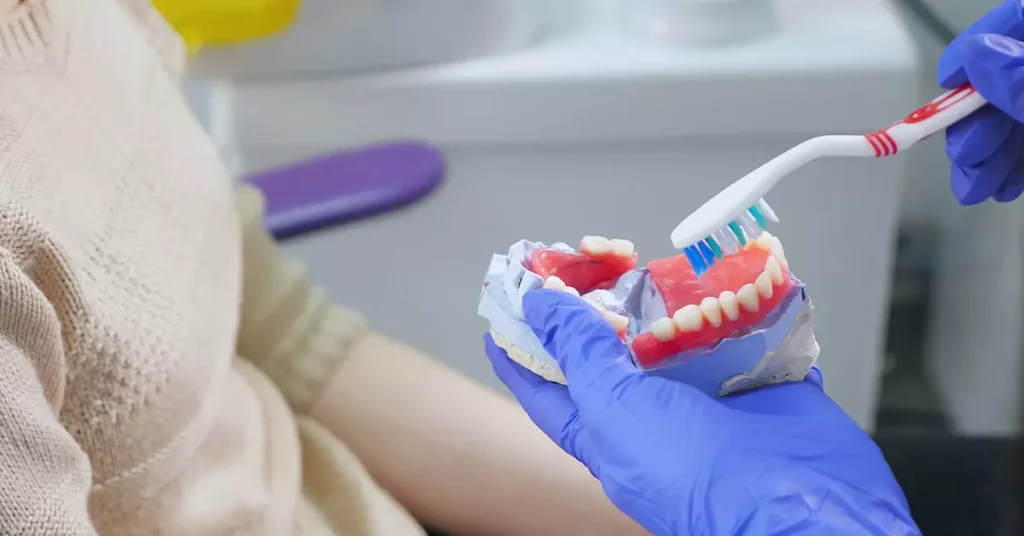
From the moment we begin brushing our first tooth, we’re told that dental hygiene is important. But behind this simple message lies a powerful truth: professional dental hygiene is one of the most effective tools we have for preventing oral and even systemic diseases. Far beyond just “cleaning teeth,” it plays a pivotal role in safeguarding long-term health and well-being.
This article explores the direct and proven links between professional dental hygiene and disease prevention, shining a light on why regular visits to your dental hygienist are just as important as visits to your GP.
What Is Professional Dental Hygiene and How Does It Differ from Daily Brushing?
While brushing and flossing at home are essential, professional dental hygiene involves preventive services delivered by qualified dental professionals, typically dental hygienists or oral health therapists. These services are designed to:
- Remove hardened plaque (calculus/tartar) that cannot be cleaned at home
- Detect early signs of decay or gum disease
- Apply treatments to strengthen enamel or reduce bacterial buildup
- Educate patients with tailored advice based on their oral condition
In short, it’s the clinical foundation of preventive dentistry, going far beyond routine care.
What Are the Main Benefits of Professional Dental Hygiene?
Professional dental hygiene offers a range of benefits for both oral and systemic health. These include:
Oral Health Benefits:
- Reduces the risk of tooth decay
- Prevents gingivitis and periodontitis
- Enhances enamel strength through fluoride treatments
- Improves breath freshness and overall hygiene
Whole-Body Health Benefits:
- Reduces inflammation that may contribute to heart disease
- Helps manage conditions like diabetes, where gum health is linked to blood sugar levels
- Lowers the risks of respiratory infections caused by oral bacteria
- Assists in the early detection of oral cancers and other lesions
How Do Dental Hygienists Prevent Gum Disease and Tooth Decay?
Gum disease and decay are caused primarily by plaque, a sticky film of bacteria. While brushing removes most of it, plaque hardens into tartar (calculus), which can only be removed professionally. Dental hygienists intervene by:
- Scaling and polishing: Removes plaque and tartar from teeth and below the gum line.
- Fluoride treatments: Reinforce the enamel and slow or halt early decay.
- Periodontal assessment: Identifies early signs of gum recession and pocketing.
- Education and advice: Custom advice on brushing, flossing, interdental cleaning, and lifestyle.
What Conditions Can Be Prevented Through Dental Hygiene Appointments?
The reach of professional hygiene goes far beyond cavities. Here’s a breakdown:
Preventable Conditions Table
| Condition | Preventive Hygiene Role |
| Dental caries (decay) | Plaque removal, fluoride, dietary counselling |
| Gingivitis | Removal of plaque/tartar, oral hygiene education |
| Periodontitis | Deep cleaning, monitoring of gum pocket depth |
| Halitosis (bad breath) | Biofilm removal, treatment of underlying causes |
| Tooth erosion | Identification of causes, fluoride application |
| Oral cancer | Visual screening during check-ups |
| Systemic inflammation | Reduction of oral bacterial load |
What Are the Most Common Services Provided in a Hygiene Appointment?
Dental hygienists offer a range of services focused purely on prevention and early intervention.
Common Services Include:
- Comprehensive oral examination
- Scale and polish
- Periodontal (gum) charting
- Oral cancer screening
- Fluoride treatment
- Fissure sealants (especially for children)
- Oral health education
Many of these services are painless, non-invasive, and delivered in under an hour.
How Often Should You See a Dental Hygienist?
Most patients benefit from seeing their hygienist every 6 months, although those with active gum disease, diabetes, or orthodontic appliances may need more frequent visits.
Consistency is key. Preventive care is most effective when problems are stopped before they escalate into pain, infection, or tooth loss.
What Are the Professional Attributes of a Skilled Dental Hygienist?
Professional dental hygienists are specially trained in identifying, managing, and preventing oral disease. Key attributes include:
- Clinical precision – Their hands-on skills in scaling and assessment are highly developed.
- Patient education – They can tailor oral health advice to your specific habits and risks.
- Preventive mindset – Focused on catching small problems before they become major issues.
- Communication – Empathetic and skilled in addressing patient concerns.
How Is Professional Hygiene Linked to Chronic Disease Prevention?
Research increasingly shows a connection between oral health and systemic diseases. Inflammation in the gums can influence inflammation throughout the body.
Studies published in The Australian Dental Journal confirm links between periodontal disease and cardiovascular health, while Diabetes Australia highlights the importance of oral health in managing blood glucose levels.
Regular hygiene care can help reduce these risks, particularly in patients with chronic conditions.
How Do Lifestyle Factors Affect Oral Hygiene?
Even with professional care, lifestyle plays a major role. Risk factors include:
- A diet high in sugar or acid
- Smoking and alcohol use
- Poor brushing or flossing habits
- Certain medications that reduce saliva flow
Dental hygienists offer tailored guidance to help mitigate these risks with practical, achievable changes.
Why Is Early Detection So Important?
The goal of dental hygiene isn’t just to clean your teeth—it’s to detect issues before you feel them. Conditions like early gum disease and enamel demineralisation don’t hurt at first. But left untreated, they can lead to:
- Tooth loss
- Bone deterioration
- Complex (and costly) treatments
With early detection, most conditions are reversible or easily managed.
Who Can You Trust for Exceptional Dental Hygiene Care?
If you’re looking for a dental practice that not only delivers expert hygiene services but also places an emphasis on preventive, empathetic care, look no further than Women in Dentistry.
At Women in Dentistry, we believe prevention is the cornerstone of a healthy smile. Our experienced hygienists and oral health therapists offer personalised hygiene appointments tailored to your individual needs. Whether you’re managing gum sensitivity, looking for fresher breath, or simply want to stay on top of your oral health, our team is here to guide you every step of the way.
Our practice empowers patients through education, modern clinical care, and a welcoming environment that values communication and trust. Discover the benefits of ongoing preventive care with a team that truly listens.
References
- Australian Dental Association (ADA). Preventive Dental Care. https://www.ada.org.au
- Dental Board of Australia. Registered Oral Health Practitioners. https://www.dentalboard.gov.au
- AIHW (Australian Institute of Health and Welfare). Oral Health & Chronic Disease. https://www.aihw.gov.au
- Diabetes Australia. Oral Health & Diabetes. https://www.diabetesaustralia.com.au
- Australian Dental Journal. Oral-Systemic Health Connections.
- Cancer Council Australia. Oral Cancer Early Detection. https://www.cancer.org.au
Frequently Asked Questions
- Is professional dental cleaning painful?
No, professional cleanings are typically painless. If you have sensitive gums, your hygienist can adapt the approach to keep you comfortable.
- Can dental hygienists detect oral cancer?
Yes, they are trained to conduct visual screenings during your hygiene visit and can refer you for further assessment if needed.
- How often should I get a professional clean?
For most people, every 6 months is ideal. Some individuals may need more frequent visits based on their risk profile.
- Are dental hygiene services only about cleaning teeth?
No. They include gum assessments, fluoride treatment, oral cancer screening, and tailored education to improve your oral health.
- Can poor oral hygiene affect heart health?
Yes. Research suggests that gum disease may increase systemic inflammation, potentially affecting cardiovascular health.
- Why should I choose Women in Dentistry for my hygiene care?
Women in Dentistry offers a preventive, personalised, and patient-focused hygiene experience delivered by a skilled and caring team.





