
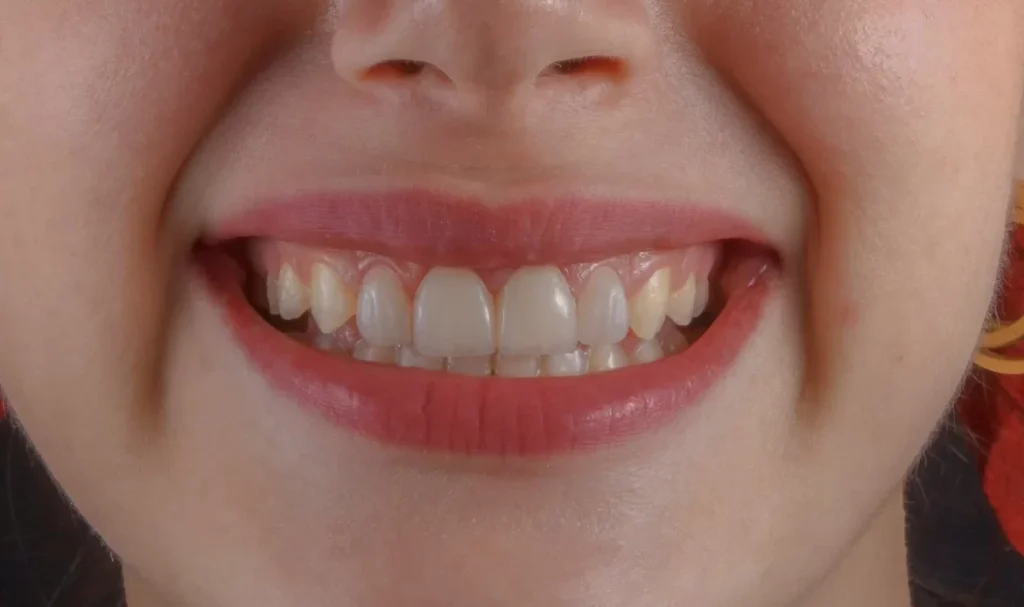
What Is a Gummy Smile and Why Does It Occur?
A gummy smile, known clinically as excessive gingival display, refers to when a noticeable portion of gum tissue is exposed above the upper teeth when smiling. While it is not a dental health concern in itself, many people seek correction for aesthetic reasons. A balanced smile typically showcases minimal gum, with a harmonious proportion between teeth, lips, and gum tissue. When this balance is disrupted, it can affect a person’s confidence and willingness to smile freely.
There are several factors that can lead to a gummy smile, including:
- Overactive upper lip muscles that lift too much when smiling
- Excess gum tissue that hides a large part of the teeth
- Short or worn teeth due to genetics or grinding
- Jaw development issues like vertical maxillary excess
Understanding the cause is key to determining the right treatment.
How Does Gummy Smile Treatment Improve Your Appearance?
Gummy smile correction is not just about gums—it’s about transforming the whole facial aesthetic. Treatment addresses the gum-to-tooth ratio, enhances symmetry, and restores facial harmony. By uncovering more of the natural tooth or altering the movement of the upper lip, the result is a proportionate and pleasing smile.
The improvements are not only visual:
- Improved facial harmony and smile symmetry
- A more proportional smile line
- Increased self-esteem and confidence
- Natural-looking outcomes tailored to individual facial features
When expertly performed, the transformation is subtle but powerful—bringing out the best in your natural smile without making it look artificial.
What Types of Gummy Smile Treatments Are Available?
There are several effective options available depending on the underlying cause of the gummy smile. Each technique focuses on a specific area—gums, teeth, lips, or bones.
Non-Surgical Treatments:
- Botox injections – Reduces upper lip elevation in cases where lip muscles are overactive.
- Laser gum contouring – Uses a precise dental laser to reshape the gumline and reveal more of the teeth.
Surgical Treatments:
- Crown lengthening – Removes excess gum and bone tissue to expose more of the tooth surface.
- Lip repositioning surgery – Lowers the upper lip’s resting position to reduce gum display.
- Orthognathic surgery – For severe skeletal issues, this involves repositioning the jaw to correct vertical maxillary excess.
Which Treatment Is Right for You?
Selecting the right treatment depends on the cause of the gummy smile. A comprehensive dental evaluation will help identify whether the issue is muscular, gingival, or skeletal. Below is a comparison of common treatment options:
| Treatment | Invasiveness | Duration | Recovery | Longevity | Best For |
| Botox Injections | Non-invasive | 10–20 minutes | Same day | 3–6 months | Overactive upper lip |
| Laser Gum Contouring | Minimally invasive | 30–60 minutes | Few days | Permanent | Excess gum tissue |
| Crown Lengthening | Surgical | 60–90 minutes | 1–2 weeks | Permanent | Short teeth / hidden enamel |
| Lip Repositioning Surgery | Surgical | 45–60 minutes | 1–2 weeks | Permanent | Lip hypermobility |
| Orthognathic Surgery | Highly invasive | 2–3 hours | Several weeks/months | Permanent | Jawbone overgrowth |
Every treatment plan is personalised, considering your facial structure, gum-to-tooth ratio, smile line, and aesthetic goals.
What Happens During and After the Procedure?
Most procedures are done under local anaesthesia, with sedation available for more invasive treatments. Non-surgical options such as Botox and laser contouring involve minimal downtime, while surgical procedures may require a short recovery period.
Post-procedure recommendations may include:
- Avoiding hot foods and physical exertion for 24–48 hours
- Using prescribed rinses to maintain oral hygiene
- Following all post-op instructions for optimal healing
Patients often begin to see improvements almost immediately, especially with laser gum contouring and Botox. Surgical treatments, while requiring more recovery, offer longer-lasting and more comprehensive outcomes.
What Are the Aesthetic and Functional Benefits?
Correcting a gummy smile is more than cosmetic—it often improves overall oral health. By removing excess gum tissue or adjusting how the lips function during movement, patients may find brushing and flossing easier and more comfortable. Visually, the smile becomes more aligned with facial proportions, leading to a more youthful and vibrant appearance.
Key Benefits Include:
- Enhanced gum-to-tooth ratio
- Customised outcome based on facial symmetry
- Improved confidence in social and professional settings
- Reduction in self-consciousness about smiling
- In some cases, better oral hygiene and reduced inflammation
Who Is a Suitable Candidate for Gummy Smile Correction?
The ideal candidate is someone who feels self-conscious about their smile due to visible gums and is in good overall oral health. People with excessive gum display due to overactive lip muscles, excessive gum tissue, or jaw issues can benefit from professional evaluation and tailored treatment planning.
Patients should also have realistic expectations and be committed to post-treatment care. Younger patients with developing jaws may be better suited to orthodontic or staged treatments, depending on the assessment.
Why Choose Professional Treatment Over DIY Approaches?
Gummy smile correction requires an in-depth understanding of facial anatomy, dental aesthetics, and precision technique. At-home solutions are not safe or effective for this kind of condition. Qualified dentists can provide diagnostic imaging, clinical analysis, and options that align with your smile goals and medical history.
All treatments must be performed in a clinical setting by trained professionals to ensure safety, proper healing, and long-lasting results.
Where Can You Get Trusted, High-Quality Gummy Smile Treatment?
If you’re considering enhancing your smile and want a trusted team that understands the importance of personalised care, Women in Dentistry offers a patient-centred approach designed around your unique facial features and smile aspirations. Our experienced team combines technical excellence with a deep understanding of aesthetics to help you achieve natural, confident results.
At Women in Dentistry, we take the time to assess the cause of your gummy smile thoroughly and recommend the most suitable treatment, whether it be laser gum contouring, Botox, or a surgical option. From the moment you walk through our doors, our focus is on ensuring you feel comfortable, informed, and empowered in your journey toward a radiant smile.
References
- Australian Dental Association – Cosmetic Procedures
https://www.ada.org.au/Dental-Health-Week/2020/Cosmetic-Dentistry - Health Direct Australia – Gum Problems
https://www.healthdirect.gov.au/gum-problems - Oral Health CRC – Aesthetic Dentistry
https://www.oralhealthcrc.org.au - Australian Society of Orthodontists – Facial and Smile Aesthetics
https://www.aso.org.au
Frequently Asked Questions (FAQs)
- What causes a gummy smile?
A gummy smile may be caused by excess gum tissue, an overactive upper lip, short teeth, or jawbone overgrowth. It can also be hereditary. - Is gummy smile treatment painful?
Most procedures are performed under local anaesthetic, and discomfort is minimal. Post-treatment sensitivity may occur but is manageable with aftercare. - How long does recovery take after treatment?
Recovery depends on the type of treatment. Botox has no downtime, laser treatments take a few days, and surgical options may require one to two weeks. - Are the results permanent?
Non-surgical options like Botox provide temporary results, while treatments such as crown lengthening and lip repositioning offer permanent changes. - Will I need more than one treatment?
This depends on the severity of your condition. Some people achieve their ideal result with one procedure, while others may benefit from combination treatment. - Can I combine gummy smile treatment with other cosmetic procedures?
Yes, many patients choose to pair gummy smile correction with veneers, whitening, or orthodontics as part of a broader smile makeover plan.





