
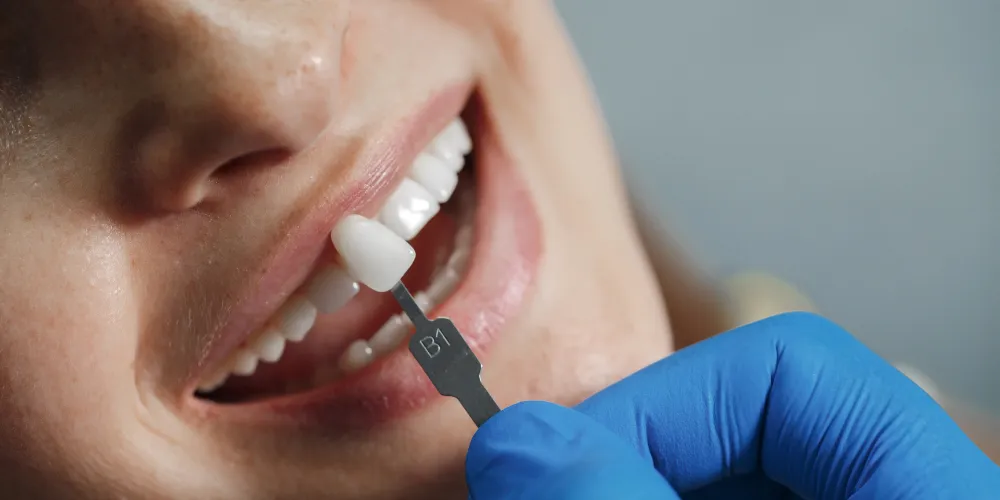
Achieving a beautiful, natural-looking smile is often the result of thoughtful planning and combining the right dental materials and techniques. Among the most popular options for improving the appearance of teeth are porcelain veneers and composite resin bonding. While each treatment offers distinct advantages on its own, there is increasing interest in combining these two procedures as part of a tailored treatment plan.
What Are Veneers and Composite Bonding?
Porcelain veneers are thin ceramic shells custom-made to fit over the front surfaces of teeth. They are typically used to address discolouration, minor misalignment, small gaps, or worn-down enamel. Composite bonding, on the other hand, involves sculpting a tooth-coloured resin directly onto the tooth to correct chips, cracks, or subtle shape concerns.
Both approaches are tooth-coloured and minimally invasive, but they serve slightly different purposes. Veneers are usually preferred when more substantial, long-lasting cosmetic adjustments are needed. Composite bonding is ideal for quick fixes or when preserving natural tooth structure is a priority.
When Might a Combined Approach Be Beneficial?
There are several clinical scenarios in which combining veneers and composite bonding can produce optimal results:
- Some teeth require full-coverage aesthetic enhancement (veneers), while others only need minor contouring (bonding).
- Budget or time limitations may lead to phased treatment planning.
- Aesthetic goals can be achieved with a blend of materials offering both durability and flexibility.
- Treatment planning accounts for tooth preservation and structural needs.
This combination allows for a layered restorative technique that enhances smile symmetry, balances form and function, and creates a natural-looking result.
How Do the Two Materials Compare?
Below is a table outlining key differences between porcelain veneers and composite bonding:
| Feature | Porcelain Veneers | Composite Bonding |
| Material | Ceramic (porcelain) | Composite resin |
| Durability | 10–15 years (approximate) | 3–7 years (approximate) |
| Aesthetic Longevity | Highly stain-resistant | Prone to discolouration over time |
| Reversibility | Irreversible (some enamel removal) | Often reversible |
| Treatment Time | Usually two visits | Usually completed in one visit |
| Ideal Use | Shape, colour, alignment correction | Minor chips, gaps, contouring |
| Cost Consideration | Higher | More cost-effective |
What Is the Step-by-Step Process for a Combined Treatment Plan?
A combination approach typically follows a structured and patient-specific process:
| Step | Description |
| 1. Consultation | Comprehensive oral examination and aesthetic planning |
| 2. Shade & Shape Planning | Customisation to match natural dentition and facial features |
| 3. Composite Bonding | Applied to targeted teeth needing minor reshaping or gap filling |
| 4. Veneer Placement | Typically on front-facing teeth needing more coverage or correction |
| 5. Final Adjustments | Bite alignment, polish, and minor refinements for cohesive appearance |
| 6. Maintenance Plan | Hygiene instructions and ongoing reviews for durability and health |
What Risks and Considerations Should Be Discussed?
As with any dental procedure, combining veneers and bonding carries certain considerations. Patients should be fully informed of:
- The potential for composite materials to stain over time
- The need for occasional touch-ups or replacements
- Risks such as chipping, especially in those who grind their teeth
- That treatment suitability is determined on an individual basis
- Results may vary depending on oral health and habits
Including this information as part of the consultation phase ensures that individuals can make informed decisions about their care.
What Are the Benefits of a Combination Approach?
- Enhances both minor and major imperfections without overtreatment
- Allows for tailored smile design using multiple restorative materials
- Provides aesthetic flexibility while preserving healthy tooth structure
- Enables a more gradual, staged treatment journey
- Offers a custom solution for those with uneven dental needs
This approach can be particularly effective for patients who are seeking a natural-looking improvement without fully committing to multiple veneers or more invasive alternatives.
What Role Does Customisation Play in Smile Design?
No two smiles are the same, and this is where the true benefit of combining veneers with composite bonding lies. Dentists can:
- Analyse the smile line, tooth proportions, and facial symmetry
- Apply composite to refine edges or add subtle volume
- Use veneers to alter the shape and colour of selected teeth
- Adjust the gum line for uniformity where appropriate
With this level of customisation, the outcome can align with both functional needs and patient preferences.
How Is Long-Term Maintenance Handled?
Maintaining the results of a combination treatment requires routine care:
- Regular dental check-ups to assess restoration integrity
- Use of non-abrasive toothpaste and a soft-bristled brush
- Avoiding habits like nail biting or chewing on hard objects
- Wearing a nightguard if clenching or grinding is present
Proper maintenance supports the durability of both composite and porcelain materials.
Is a Consultation Necessary Before Choosing This Option?
Yes. A personalised consultation is the first step in understanding whether this combination is suitable. During this visit, a dentist Melbourne CBD will conduct a full oral health assessment, discuss goals, take records (such as photographs or impressions), and present a plan tailored to the individual. Clinical judgement, experience, and diagnostic tools all contribute to the decision-making process.
Why Choose Women in Dentistry for Your Smile Enhancement?
At Women in Dentistry, we recognise that each smile has its own story. Our focus is on providing a personalised experience where treatment planning revolves around your individual needs and goals. Whether you’re considering veneers, composite bonding, or a combination of both, our team is equipped with the clinical experience and aesthetic insight to guide you through the process with clarity and care. Our commitment is not only to technical excellence but also to helping you feel confident and informed every step of the way. Book a consultation today and let us help you explore what’s possible for your smile.
References
- Australian Dental Association. “Dental Veneers”. https://www.teeth.org.au/dental-veneers
- Healthdirect Australia. “Dental Bonding”. https://www.healthdirect.gov.au/dental-bonding
- Australian Government Department of Health. “Oral Health and Cosmetic Dental Procedures”. https://www.health.gov.au
Frequently Asked Questions
- Can composite bonding and veneers be done at the same time?
Yes, both can be incorporated into a single treatment plan depending on the needs of each individual tooth. - Will my teeth be shaved down for veneers?
Minimal preparation may be required, but modern techniques aim to preserve as much enamel as possible. - How long will the results last?
Porcelain veneers can last over a decade, while bonding may require touch-ups after several years depending on care and usage. - Is this treatment suitable for everyone?
Suitability depends on factors like tooth condition, bite, and aesthetic goals, which are assessed during your consultation. - Can I whiten my teeth after having veneers and bonding?
Whitening doesn’t affect porcelain or composite, so it’s usually done before treatment to set a consistent base shade. - What if one material wears down faster than the other?
This is addressed during your maintenance visits, where any necessary refinements or replacements can be discussed.
Disclaimer
All dental procedures involve potential risks and benefits. The information provided in this blog is general in nature and should not be taken as medical advice. We recommend that you seek guidance from a suitably qualified health professional before making decisions about your oral health. Where appropriate, you may also wish to consider obtaining a second opinion.
Any images or videos featured are shared with the informed consent of our patients and are intended for educational purposes only. They are not a guarantee of results, as every patient is unique. Treatment outcomes — including recovery, potential complications, and effectiveness — can vary from person to person.





