
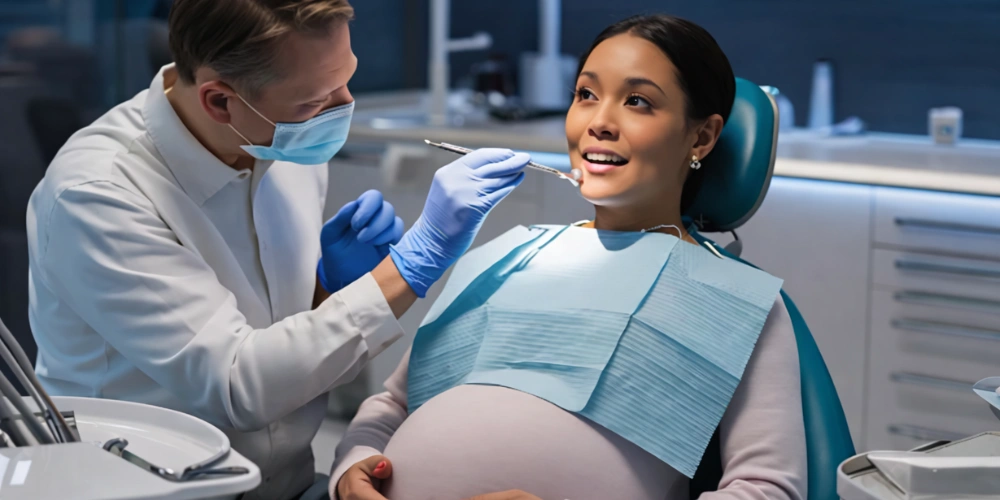
Pregnancy can make even routine decisions feel bigger than usual. You may question what you eat, what you drink, and even whether you should book your usual dental clinic appointment. It is completely normal to wonder about dental treatment while pregnant. The reassuring news is that safe dental care during pregnancy is commonly provided, with care tailored to your stage of pregnancy and individual health needs.
Dental appointments in pregnancy focus on comfort, prevention, and balanced decision making. Pregnancy dental safety is not about avoiding care altogether. Instead, it is about understanding what is appropriate, when it is appropriate, and how treatment decisions are made on a case by case basis.
When Is the Best Time During Pregnancy to See the Dentist?
Trimester-based dental care is often discussed in antenatal settings. While routine dental care can generally be provided throughout pregnancy, many practitioners consider the second trimester dental clinic Melbourne visits to be more comfortable for longer appointments. By this stage, early nausea may have settled and physical discomfort from later pregnancy may not yet be present.
That said, emergency dental treatment in pregnancy should not be delayed. If there is dental pain, swelling, or infection, prompt dental pain management during pregnancy is important. Untreated oral infection can cause ongoing discomfort and may affect overall wellbeing. Treatment decisions are always guided by clinical judgement and individual circumstances.
Key points regarding trimester dental visits include:
- Inform your dentist Melbourne CBD about your pregnancy and estimated due date.
- Routine dental examinations can usually continue as planned.
- Necessary treatment should not be postponed if infection is present.
- Positioning in the dental chair may be adjusted for comfort.
Are Dental X-Rays Safe During Pregnancy?
Dental radiographs and shielding are often discussed with expectant mothers. Dental X-rays during pregnancy may be taken if clinically required. Protective lead shielding for X-rays is used to minimise exposure. The amount of radiation involved in dental radiography is low, and decisions are made carefully.
In many cases, preventive dental guidance and visual examination may be sufficient. However, if an infection or hidden cavity is suspected, imaging may be recommended to support accurate diagnosis. The focus remains on risk-based dental decisions that balance benefits and potential risks.
Table: Common Safety Considerations During Pregnancy Dental Care
| Aspect of Care | Consideration During Pregnancy | How It Is Managed |
| Routine examination | Ongoing monitoring of oral health | Trimester-appropriate scheduling |
| Professional cleaning | Managing plaque and gum inflammation | Gentle techniques and positioning |
| Dental X-rays | Only if clinically necessary | Lead shielding and minimal exposure |
| Local anaesthetic | Assessed individually | Pregnancy-safe medications used when indicated |
| Infection treatment | Avoiding untreated dental infection | Prompt, tailored care |
What About Local Anaesthetic and Medications?
Local anaesthetic safety in pregnancy is often a concern. Certain local anaesthetics are commonly used during pregnancy when clinically appropriate. Pregnancy-safe medications are selected based on current guidance and individual health factors. Communication with healthcare providers is important, particularly if you are under the care of an obstetrician or midwife.
Elective vs necessary dental procedures are also considered carefully. Elective cosmetic treatments are often postponed, while essential treatment aimed at resolving pain or infection is typically prioritised. Every recommendation is based on collaborative healthcare approach principles, ensuring that dental care aligns with overall prenatal care.
Can Dental Treatment Affect My Baby?
Safe dental care during pregnancy is designed to support maternal oral health without unnecessary risk. Untreated dental infection may pose greater concern than appropriately managed treatment. Maintaining oral health in pregnancy contributes to comfort and stability.
Dental professionals focus on:
- Clear explanation of procedures and alternatives.
- Balanced discussion of potential risks and benefits.
- Monitoring maternal periodontal health.
- Using pregnancy-safe medications when indicated.
Each situation is unique, and suitability is always assessed individually.
How Should I Prepare for a Dental Appointment While Pregnant?
Preparation for a dental appointment in pregnancy is simple. Let the practice know that you are pregnant when booking. Provide information about your trimester and any medical conditions. If you experience dizziness when lying flat, inform the team so adjustments can be made.
Preventive oral health strategies remain important:
- Maintain regular brushing with fluoride toothpaste.
- Floss gently to reduce plaque sensitivity.
- Attend recommended preventive dental visits.
Dental assessment during pregnancy is not about dramatic intervention. It is about maintaining stability and addressing concerns early.
Why Is Communication So Important During Pregnancy Dental Care?
Communication with healthcare providers supports coordinated care. If you have specific health conditions or are taking prescribed medication, sharing this information helps guide dental decisions. A collaborative healthcare approach ensures that both dental and prenatal care align safely.
Dental pain management during pregnancy is addressed carefully. Infection control in pregnancy is a priority, and any swelling or discomfort should be assessed promptly. Balanced decision making avoids unnecessary delay while also avoiding unnecessary intervention.
How Does Women in Dentistry Support Pregnant Patients?
Women in Dentistry is committed to providing informed, respectful care for expectant mothers. The practice recognises that pregnancy dental safety is often accompanied by questions and uncertainty. Each appointment is guided by clear explanation, careful assessment, and a calm environment.
Women in Dentistry emphasises preventive dental guidance, trimester-based dental care planning, and thoughtful communication. Treatment recommendations are tailored individually, and patients are encouraged to feel confident in asking questions. The focus is on informed choices and supportive care throughout pregnancy.
Where Can I Find Australian Guidance on Dental Care in Pregnancy?
Australian health organisations provide clear information about dental treatment while pregnant. These resources outline the importance of maintaining oral health and seeking care when needed.
For further information:
- Australian Dental Association. Oral health during pregnancy.
https://www.ada.org.au/Your-Dental-Health/Oral-Health-During-Pregnancy - Pregnancy Birth and Baby Australia. Dental care in pregnancy.
https://www.pregnancybirthbaby.org.au/dental-care-in-pregnancy - NSW Health. Oral health and pregnancy.
https://www.health.nsw.gov.au/oralhealth/Pages/pregnancy.aspx
Frequently Asked Questions
Can I have a dental check-up in my first trimester?
Yes. Routine dental examinations are generally appropriate. Informing your experienced dentist about your pregnancy helps guide planning.
Should I avoid dental X-rays completely during pregnancy?
Dental X-rays may be taken if clinically necessary, using appropriate shielding. Decisions are made based on individual need.
Is it safe to have a filling while pregnant?
If a cavity requires treatment, it may be addressed during pregnancy. Suitability is assessed individually.
What if I have severe tooth pain?
Severe pain or swelling should be assessed promptly. Untreated infection may lead to ongoing discomfort.
Are cosmetic dental treatments recommended during pregnancy?
Elective cosmetic procedures are often postponed until after pregnancy.
Do I need to tell my dentist that I am pregnant?
Yes. Sharing this information allows care to be tailored to your trimester and health circumstances.
Disclaimer
All dental procedures involve potential risks and benefits. The information provided in this blog is general in nature and should not be taken as medical advice. We recommend that you seek guidance from a suitably qualified health professional before making decisions about your oral health. Where appropriate, you may also wish to consider obtaining a second opinion.
Any images or videos featured are shared with the informed consent of our patients and are intended for educational purposes only. They are not a guarantee of results, as every patient is unique. Treatment outcomes — including recovery, potential complications, and effectiveness — can vary from person to person.





