
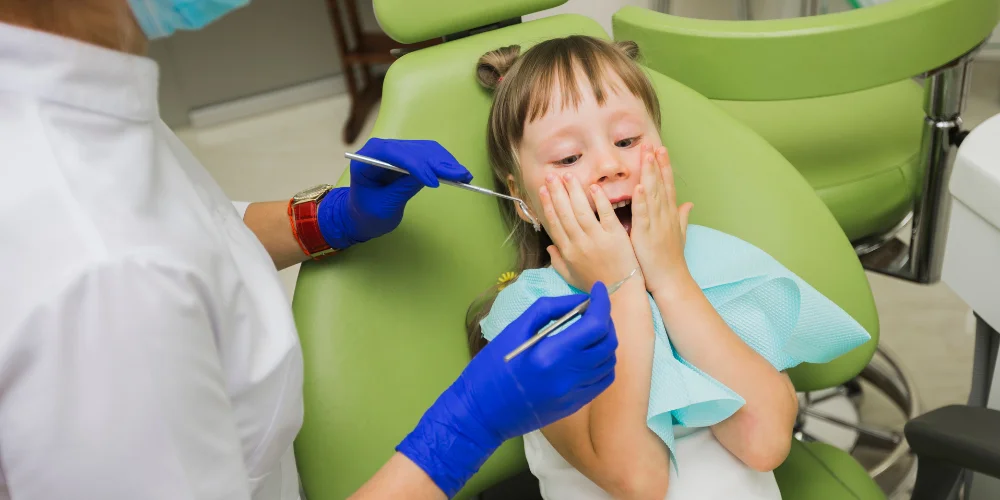
Subtle changes inside a child’s mouth often begin long before any obvious signs appear. The deep grooves and natural pits on the chewing surfaces of molars create areas where plaque can accumulate and where a toothbrush may not always reach effectively. These features are completely normal in children’s developing teeth, yet they highlight why early preventive measures are often discussed in paediatric oral care. Sealants, applied as a thin tooth-coloured coating over these grooves, can play a role in helping families support long-term oral health patterns in their children. Understanding how they work, when they may be used, and what factors influence their longevity allows parents and caregivers to feel more informed during dental appointments for their children.
This article explores children’s fissure sealants, focusing on what they are, how they function, and why they are commonly used in preventive dentistry.
What Are Paediatric Dental Sealants and How Do They Work?
Paediatric dental sealants are a thin, tooth-coloured coating placed over the chewing surfaces of molars and premolars. These surfaces often contain deep pits and fissures that can trap plaque, food particles and bacteria. Sealants provide a smooth, even surface over the fissures, assisting with plaque control by reducing the number of inaccessible spaces.
Key descriptive attributes of fissure sealants include:
- A tooth-coloured or translucent appearance
- A smooth finish once set
- Placement on specific surfaces that have been assessed
- A temporary and replaceable layer
- A material that is monitored over time during check-ups
Children often have newly erupted molars with anatomy that varies in depth and shape. Sealants do not replace daily brushing, flossing, or other hygiene measures, but they are sometimes considered as part of a preventive program that supports reducing plaque stagnation in areas that are difficult to clean.
How Do Clinicians Assess Whether a Child May Benefit From Sealants?
Dental professionals typically assess several aspects before recommending sealants. This may involve evaluating the child’s oral hygiene habits, fissure depth, dietary patterns, family history of dental disease, and the stage of tooth eruption. These assessments help determine whether applying a protective coating is appropriate.
Common considerations in assessments include:
- The shape and depth of the grooves on molars
- A child’s ability to adequately clean back teeth
- Previous experiences with plaque accumulation
- The overall caries risk profile
- The accessibility of newly erupted teeth
This evaluation forms a picture of how plaque might behave in particular fissures and what level of monitoring a child may require during their development.
What Does the Sealant Procedure Typically Involve for Children?
The procedure for placing paediatric sealants is usually straightforward and minimally involved. It is designed to be comfortable for young patients while maintaining precision.
A typical placement may include:
- Cleaning the tooth to remove plaque and debris
- Isolating the area to maintain dryness
- Conditioning the enamel surface with a gentle acidic gel
- Rinsing and drying the tooth
- Applying the sealant material in thin layers
- Light-curing the material to set it
- Checking the bite to ensure smooth function
The entire process is carried out with attention to detail, ensuring that the tooth surface is appropriately prepared before the sealant is applied.
Which Teeth Are Commonly Considered for Sealants?
Sealants are most frequently used on the back teeth, where chewing forces are concentrated and where fissures are often deeper. The following table outlines commonly considered areas:
Table 1: Common Tooth Surfaces Considered for Sealants
| Tooth Type | Surface | Reason Considered |
| First permanent molars | Occlusal surface | Deep pits and fissures are common |
| Second permanent molars | Occlusal surface | Can be more difficult to clean as they erupt later |
| Premolars (case-dependent) | Pits and grooves | Assessment-based depending on fissure depth |
| Primary molars (selected cases) | Occlusal surface | When grooves are particularly deep |
These surfaces often accumulate plaque due to their shape, making them relevant in discussions about preventive care for children.
How Do Sealants Compare With Regular Brushing?
Sealants do not replace brushing but may complement it by reducing areas where plaque tends to stagnate.
Table 2: Fissure Sealants vs Regular Brushing
| Aspect | Fissure Sealants | Regular Brushing |
| Primary purpose | Covers deep grooves | Removes plaque from accessible surfaces |
| Area of application | Specific molar/premolar chewing surfaces | Whole mouth |
| Procedure type | Applied by a clinician | Performed at home by child/caregiver |
| Monitoring | Reviewed during dental visits | Required twice daily |
| Material used | Tooth-coloured resin coating | Toothpaste and toothbrush |
Both practices are considered part of a broader preventive approach to oral hygiene in children.
What Factors Influence the Longevity of Sealants?
A sealant’s lifespan varies due to several factors, and regular dental check-ups ensure the coating is intact and functioning as intended.
Key influencing factors include:
- Chewing habits and diet
- Oral hygiene routine
- Growth, development, and eruption changes
- Natural wear over time
- Grinding or clenching tendencies
Sealants are replaceable, and reapplication may be recommended if there is evidence of wear or chipping.
How Are Sealants Monitored Over Time?
Sealants require periodic checks to ensure they remain intact and effective. These reviews are typically part of routine dental examinations for children.
Table 3: How Sealants Are Monitored Over Time
| Monitoring Visit | What Is Reviewed |
| Routine check-up | Integrity and retention of coating |
| Six-monthly reviews | Signs of wear or chipping |
| Eruption assessments | Need for sealants on newly erupting molars |
| Re-evaluation after loss | Whether replacement is appropriate |
This monitoring helps ensure that sealants continue to support optimal oral hygiene conditions.
Why Does Preventive Care Play an Important Role in Paediatric Dentistry?
Preventive care aims to promote habits and conditions that support children’s oral development over time. This may involve fissure sealants, dietary guidance, plaque control strategies, and tailored oral hygiene routines. Sealants represent only one element of this approach, yet they are frequently discussed due to their relevance to molar anatomy and the challenges associated with cleaning deep fissures.
Preventive dentistry acknowledges that:
- Children’s oral anatomy evolves rapidly
- Habits formed early may influence lifelong patterns
- Supervised oral hygiene helps reduce plaque retention
- Early assessments identify teeth needing extra attention
Understanding these principles allows families to feel more confident in supporting their children’s oral wellbeing.
How Does Women in Dentistry Support Families Seeking Preventive Care for Children?
Women in Dentistry is dedicated to providing a thoughtful, supportive environment for families seeking guidance in maintaining their children’s oral health. Their approach focuses on creating a calm, educational experience where parents can understand the reasoning behind preventive measures such as paediatric fissure sealants. With a strong emphasis on communication, transparency, and personalised assessments, Women in Dentistry ensures caregivers feel informed at every stage. This makes it easier for families to engage with preventive strategies tailored to their children’s needs, supported by a team that values clarity, comfort, and long-term oral wellbeing.
References
Australian Dental Association – Children’s Fissure Sealants
https://www.ada.org.au/Dental-Health-Week/Oral-Health-Resources/Children/Fissure-sealants
AIHW – Oral Health of Australian Children
https://www.aihw.gov.au/reports/dental-oral-health/oral-health-of-australian-children
NHMRC – Dietary Guidelines and Oral Health
https://www.nhmrc.gov.au/guidelines-publications/n55
FAQs
1. Are fissure sealants painful for children?
Sealant placement is generally comfortable. The procedure involves cleaning, drying, and applying a thin coating without drilling or removing tooth structure.
2. How long do paediatric sealants usually last?
Longevity varies based on chewing habits, oral hygiene, and natural wear. Regular reviews help determine whether reapplication is needed.
3. Do all children require fissure sealants?
No. The decision depends on individual assessments, tooth anatomy, oral hygiene patterns, and other risk-related factors.
4. Can sealants be placed on baby teeth?
Yes, in selected cases where primary molars show deep fissures or where plaque stagnation has been identified.
5. Do sealants mean a child no longer needs to brush their molars?
No. Brushing, flossing, and routine examinations remain essential, even when sealants are present.
6. How will I know if my child’s sealants need repair or replacement?
A dentist Melbourne CBD will check sealants during routine visits. If wear or loss is detected, replacement may be recommended.
Disclaimer
All dental procedures involve potential risks and benefits. The information provided in this blog is general in nature and should not be taken as medical advice. We recommend that you seek guidance from a suitably qualified health professional before making decisions about your oral health. Where appropriate, you may also wish to consider obtaining a second opinion.
Any images or videos featured are shared with the informed consent of our patients and are intended for educational purposes only. They are not a guarantee of results, as every patient is unique. Treatment outcomes — including recovery, potential complications, and effectiveness — can vary from person to person.





