
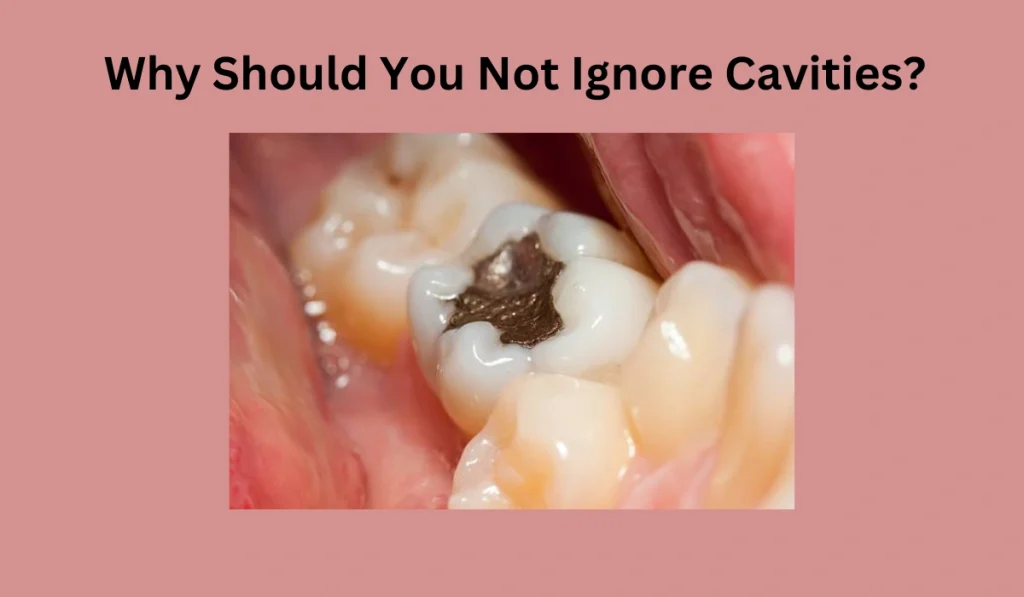
Cavities, also known as dental caries, are one of the most common dental problems affecting people of all ages. Left untreated, cavities can lead to severe consequences, ranging from tooth sensitivity and infection to the eventual loss of the tooth. Ignoring a cavity is more than just a minor issue—its repercussions can affect your overall oral health, and even your general well-being. In this article, we will explore why you should never ignore a cavity and the long-term damage it can cause to your oral health.
What Happens When You Ignore a Cavity?
Cavities develop gradually, starting as small spots of decay that may go unnoticed. The damage often begins at the tooth’s surface, affecting the enamel, the outermost layer of the tooth. If left untreated, this decay can spread deeper, reaching the sensitive areas of the tooth and causing more significant damage. Ignoring a cavity may seem harmless at first, but the consequences can be severe.
How Cavities Progress: From Minor Damage to Serious Concerns
The progression of a cavity can be broken down into several stages, each of which presents its own set of problems.
| Stage of Cavity | Consequences of Ignoring | Recommended Treatment |
| Early Stage | Minor discomfort, slight staining or sensitivity | Dental filling, good oral hygiene |
| Moderate Stage | Increased pain, visible hole or crack, sensitivity | Filling, possible root canal therapy |
| Advanced Stage | Severe pain, risk of infection, tooth damage | Root canal, crown, or tooth extraction |
| Severe Decay | Tooth loss, infection spreading to the gum area | Tooth extraction, implants, or bridges |
As the cavity progresses, the tooth’s structure weakens, and the likelihood of further complications increases. Ignoring it only worsens the problem, leading to more complex and expensive dental procedures.
What Are the Consequences of Untreated Cavities?
Ignoring a cavity can lead to a range of unpleasant outcomes. The initial inconvenience of a cavity may seem like a minor issue, but it can develop into something much more severe. Below are some of the consequences of ignoring a cavity:
- Increased Pain and Discomfort
The primary sign of a cavity is pain or discomfort, especially when chewing or eating certain foods. This pain typically increases as the cavity deepens, reaching the sensitive inner layers of the tooth. If left untreated, the pain may become constant and unbearable. Over time, it can make eating, drinking, and even speaking difficult.
- Tooth Sensitivity
Tooth sensitivity occurs when the enamel wears away due to the progression of a cavity. As the enamel breaks down, the dentin (the layer beneath the enamel) becomes exposed. This makes the tooth highly sensitive to temperature changes, such as hot and cold foods or drinks. You may experience discomfort when drinking a hot cup of tea or eating ice cream.
- Infection and Abscess Formation
As a cavity progresses, it can expose the inner pulp of the tooth to harmful bacteria. This can lead to an infection, which, if left untreated, may result in an abscess—a painful, pus-filled swelling at the root of the tooth. An abscess can spread to the jaw, gums, and even other parts of the body. In severe cases, untreated infections can result in systemic health issues that may require hospitalisation.
- Tooth Loss
Severe decay may damage the tooth beyond repair. In these cases, the tooth may need to be extracted. This is a costly and invasive procedure that can cause permanent changes to your smile. Moreover, losing a tooth can affect the surrounding teeth, causing them to shift, leading to misalignment and further dental complications.
- Damage to Surrounding Teeth
A cavity doesn’t just affect the decayed tooth; it can also affect neighbouring teeth. As the cavity spreads, bacteria can easily move from one tooth to another, causing multiple cavities. This domino effect can lead to further decay, requiring more complex treatments such as root canals, crowns, or even extractions.
- Higher Treatment Costs
Ignoring a cavity initially may seem like a way to avoid immediate dental costs, but the reality is that delaying treatment will only make the problem worse and much more expensive. What could have been resolved with a simple filling might eventually require a root canal, crown, or even tooth extraction. The earlier you treat a cavity, the less expensive and invasive the procedure will be.
How Can You Prevent Cavities from Progressing?
Preventing a cavity from progressing into a more severe issue requires regular dental care and proper oral hygiene. By addressing a cavity early, you can stop the decay from spreading and minimise the damage to the tooth. Here are some steps to prevent cavities from worsening:
- Regular dental check-ups: Regular visits to your dentist are crucial for detecting cavities before they cause significant problems. Early detection allows for prompt treatment, such as fillings, to stop the decay.
- Proper brushing and flossing: Brushing your teeth twice daily and flossing once a day removes food particles and plaque from your teeth, reducing the risk of cavity formation.
- Avoid sugary foods: Bacteria in the mouth feed on sugar, which can contribute to the development of cavities. Limiting sugary snacks and drinks can help prevent cavities from forming in the first place.
- Fluoride treatment: Fluoride strengthens enamel and helps prevent cavities. It can be found in toothpaste, mouthwash, and in some cases, it may be applied topically by your dentist.
- Dental sealants: For those at high risk of cavities, your dentist may recommend dental sealants. These thin coatings applied to the chewing surfaces of back teeth can help protect them from decay.
What Are the Treatment Options for Cavities?
Depending on the severity of the cavity, there are several treatment options available:
| Risk | Effect on Oral Health | Treatment Time |
| Tooth Sensitivity | Exposed dentin, discomfort when eating certain foods | Immediate treatment with a filling |
| Tooth Infection | Risk of tooth abscess, potential for systemic infection | Root canal therapy, antibiotics if necessary |
| Tooth Loss | Unable to preserve the tooth structure | Extraction, followed by implant or bridge |
| Gum Disease | Infection spreading to gums, possible bone loss | Scaling, root planing, or surgery if severe |
Fillings
For cavities in their early stages, dental fillings are the most common and effective treatment. Fillings restore the tooth’s structure and seal the cavity to prevent further decay.
Root Canals
When a cavity reaches the pulp of the tooth, a root canal may be necessary. This procedure removes the infected pulp, cleans the root canal, and seals it to prevent further infection.
Crowns
In cases where the cavity has caused significant damage to the tooth, a dental crown may be placed over the tooth to restore its shape and function. Crowns are often used after a root canal.
Tooth Extraction
When a cavity is so severe that the tooth cannot be saved, extraction may be necessary. Once a tooth is extracted, it can be replaced with an implant, bridge, or denture.
Women in Dentistry is dedicated to helping individuals maintain healthy teeth and gums through proactive care, education, and advanced treatments. If you are experiencing any dental issues, do not hesitate to schedule a consultation to ensure your oral health stays in top shape.
References
- Australian Dental Association. (2023). The impact of untreated cavities on oral health. Retrieved from https://www.ada.org.au
- National Institute of Dental and Craniofacial Research. (2022). Oral health in America: Report of the Surgeon General. Retrieved from https://www.nidcr.nih.gov
Frequently Asked Questions (FAQs)
- What causes cavities to form in the first place? Cavities are caused by the buildup of plaque, a sticky film of bacteria that forms on your teeth. When plaque is not removed by brushing and flossing, it can turn into tartar, leading to tooth decay.
- Can cavities heal on their own? No, cavities do not heal on their own. Once the enamel is damaged, it cannot regenerate. Professional treatment is required to restore the tooth.
- How do I know if I have a cavity? Symptoms of a cavity include tooth sensitivity, visible holes, and pain when chewing or drinking hot or cold liquids. Regular dental check-ups can help detect cavities before symptoms appear.
- What is the best way to prevent cavities? Good oral hygiene, including regular brushing, flossing, and professional dental cleanings, along with limiting sugary foods and drinks, is the best ways to prevent cavities.
- Can cavities lead to other health problems? Yes, untreated cavities can lead to tooth infections, abscesses, and gum disease. In severe cases, the bacteria from the infection can spread to other parts of the body, causing broader health issues.
- How often should I visit the dentist for a check-up? It is recommended to visit your dentist at least twice a year for routine check-ups and cleanings. However, if you have a higher risk of cavities, more frequent visits may be necessary.





