
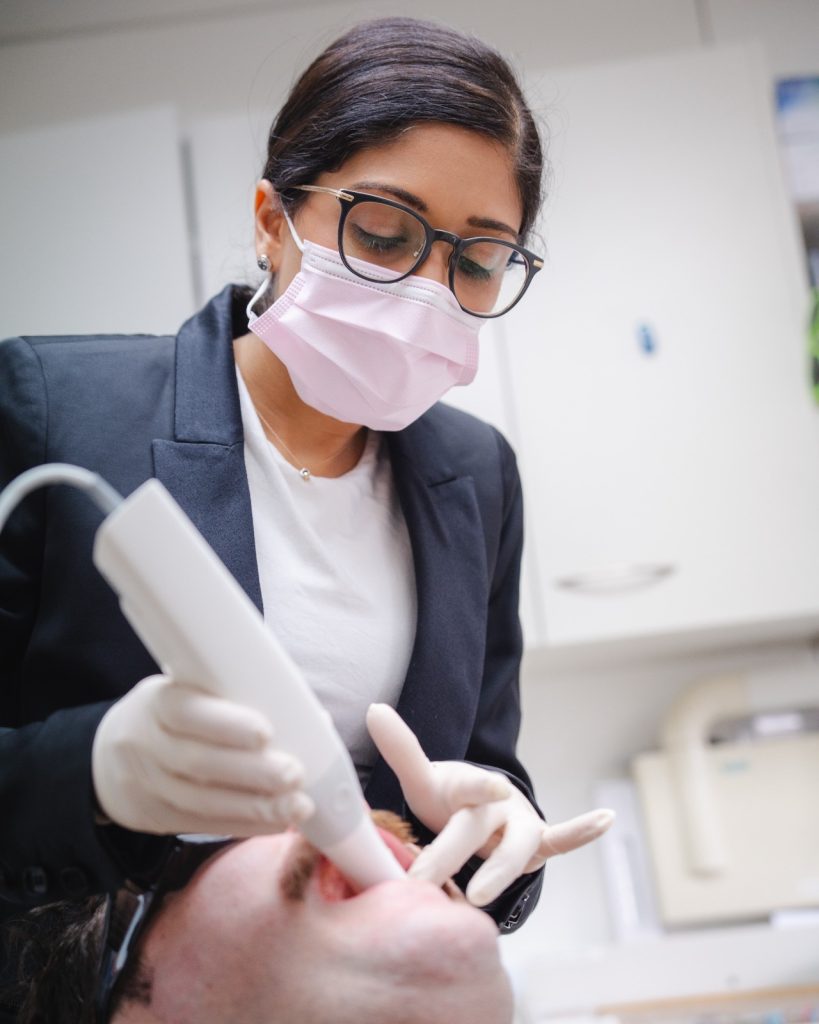
Teeth whitening is one of the most sought-after dental treatments for enhancing the brightness of your smile. However, once your teeth have reached their desired shade, the question that often follows is, “How do I maintain these results?” Whitening is not a permanent solution, and several daily habits can either preserve or undermine your results.
This blog explores the most effective, dentist Melbourne advised techniques for maintaining your newly whitened smile over time. It also addresses lifestyle choices, enamel-safe practices, common misconceptions, and the importance of long-term oral health.
Why Do Teeth Discolour After Whitening?
Whitening treatments are designed to remove surface stains and lighten the internal colour of the enamel. However, teeth are porous and naturally prone to absorbing pigments from food, drink, and other sources.
The most common reasons for post-whitening discolouration include:
- Pigmented foods and beverages (such as coffee, red wine, and curry)
- Tobacco use
- Inconsistent oral hygiene routines
- Enamel thinning due to erosion or ageing
- Failure to attend regular dental check-ups and professional cleans
Understanding these causes can help patients take proactive steps to protect their results.
What Are the Best Habits for Post-Whitening Care?
To help maintain the brightness of your teeth after a whitening procedure, it’s essential to establish a dentist-advised maintenance routine. Here are key practices to follow:
Daily Care Routine:
- Brush with a soft-bristled toothbrush and low-abrasion toothpaste twice daily
- Use fluoride-containing toothpaste to strengthen enamel
- Floss daily to remove plaque and food particles
- Rinse with water after consuming acidic or pigmented beverages
Additional Measures:
- Avoid tobacco and smoking
- Limit coffee, tea, red wine, and coloured sauces
- Use a straw when drinking coloured beverages
- Schedule dental hygiene appointments every six months
- Use whitening-compatible, dentist-approved touch-up products if advised
These practices help prevent new stains from forming and keep your enamel healthy, which is essential for maintaining a brighter smile.
What Foods and Drinks Should You Avoid After Whitening?
Certain dietary choices can significantly affect the longevity of your whitening results. It’s important to avoid or limit the following stain-causing foods and drinks, particularly in the first 48–72 hours post-whitening:
Common Stain-Causing Culprits:
- Coffee and black tea
- Red wine
- Balsamic vinegar and soy sauce
- Tomato-based sauces
- Berries and beetroot
- Cola and other dark sodas
While you don’t need to eliminate these entirely, moderation and immediate rinsing with water after consumption can help reduce their impact.
How Often Should You Get a Whitening Touch-Up?
Whitening results are not permanent. Maintenance treatments, when required, should be spaced out appropriately to reduce enamel sensitivity or overuse. The frequency depends on:
- Individual dietary habits
- Whether you smoke or consume stain-causing substances
- Your enamel health and response to whitening
- The type of whitening product used initially (in-clinic vs. at-home)
In general, many individuals benefit from touch-up treatments every 6–12 months, but this varies and should only be undertaken following professional dental advice.
What Are the Risks of Not Maintaining Whitening Results Properly?
Neglecting proper aftercare doesn’t just lead to fading; it may increase your risk of other oral health issues. Poor post-whitening maintenance can result in:
- Accelerated enamel wear
- Increased tooth sensitivity
- Gum inflammation due to plaque buildup
- Patchy or uneven tooth colour over time
- Stain penetration into deeper tooth layers, making future whitening less effective
To avoid these complications, it’s essential to adhere to a balanced oral hygiene plan tailored to your enamel and lifestyle needs.
How Do Lifestyle Choices Impact Whitening Longevity?
Your lifestyle plays a pivotal role in maintaining the brightness of your smile. Even with optimal dental hygiene, behaviours such as smoking, frequent snacking on acidic foods, or skipping dental visits can lead to early fading of whitening results.
Here’s a breakdown:
| Lifestyle Habit | Impact on Whitening Results |
| Smoking | Leads to persistent yellow-brown stains |
| Daily coffee/tea/red wine | Causes gradual discolouration of enamel over time |
| Skipping oral hygiene | Increases plaque, traps stains |
| Infrequent dental cleans | Reduces polish and allows buildup of discolouration |
| Excessive whitening without advice | Risk of sensitivity and enamel erosion |
Adopting a tooth-friendly lifestyle, combined with professional oversight, provides the best long-term protection for your whitening investment.
Why Is Enamel-Safe Care So Important After Whitening?
Tooth whitening opens up the enamel’s microscopic pores temporarily. During this time, your enamel is more susceptible to both sensitivity and staining. This is why enamel-safe habits matter greatly:
- Use toothpaste labelled as non-abrasive
- Avoid scrubbing teeth vigorously
- Postpone consuming acidic foods and drinks after treatment
- Never whiten again without professional supervision
Protecting enamel ensures your results last longer and helps avoid complications like sensitivity or dulling of the teeth.
How Can “Women in Dentistry” Support Your Whitening Journey?
If you’re looking for expert support in maintaining your bright smile, Women in Dentistry offers a warm and professional environment focused on long-term oral health. Our team provides tailored post-whitening care strategies that prioritise both safety and effectiveness.
We understand that every individual’s enamel and lifestyle are different. That’s why our approach is always personalised — offering preventive care, professional cleans, and individualised whitening maintenance plans that avoid overuse or unnecessary treatments. You’ll also receive ongoing education about safe whitening touch-ups, stain prevention, and enamel protection.
At Women in Dentistry, our commitment is to help you maintain your smile results confidently, comfortably, and responsibly.
Research References
- Australian Dental Association – Teeth Whitening and Oral Health
https://www.teeth.org.au/whitening - HealthDirect – Teeth Whitening Explained
https://www.healthdirect.gov.au/teeth-whitening - Dental Board of Australia – Advertising a Regulated Health Service
https://www.dentalboard.gov.au/Codes-Guidelines/Guidelines-for-advertising-regulated-health-services.aspx
FAQs
- How long do teeth whitening results typically last?
Whitening results vary between individuals but generally last between 6 months to 2 years, depending on diet, oral hygiene, and lifestyle habits. - Can I drink coffee after teeth whitening?
Yes, but it’s best to wait at least 48 hours and drink through a straw. Rinse your mouth with water afterward to reduce staining. - Is it safe to whiten teeth regularly?
Only under professional supervision. Overuse can lead to enamel erosion and sensitivity. Always consult your dentist before repeat treatments. - What toothpaste should I use after whitening?
Use a low-abrasion, fluoride toothpaste that’s suitable for sensitive teeth. Avoid whitening toothpastes that may be too harsh on newly whitened enamel. - Will whitening make my teeth sensitive permanently?
Most sensitivity is temporary. If symptoms persist, speak to your dentist Melbourne CBD to evaluate enamel health and treatment options. - Can plaque and tartar affect whitening results?
Yes. Plaque and tartar can trap stains. Regular professional cleans are essential for maintaining even, long-lasting whitening outcomes.
Disclaimer
All dental procedures involve potential risks and benefits. The information provided in this blog is general in nature and should not be taken as medical advice. We recommend that you seek guidance from a suitably qualified health professional before making decisions about your oral health. Where appropriate, you may also wish to consider obtaining a second opinion.
Any images or videos featured are shared with the informed consent of our patients and are intended for educational purposes only. They are not a guarantee of results, as every patient is unique. Treatment outcomes — including recovery, potential complications, and effectiveness — can vary from person to person.





