
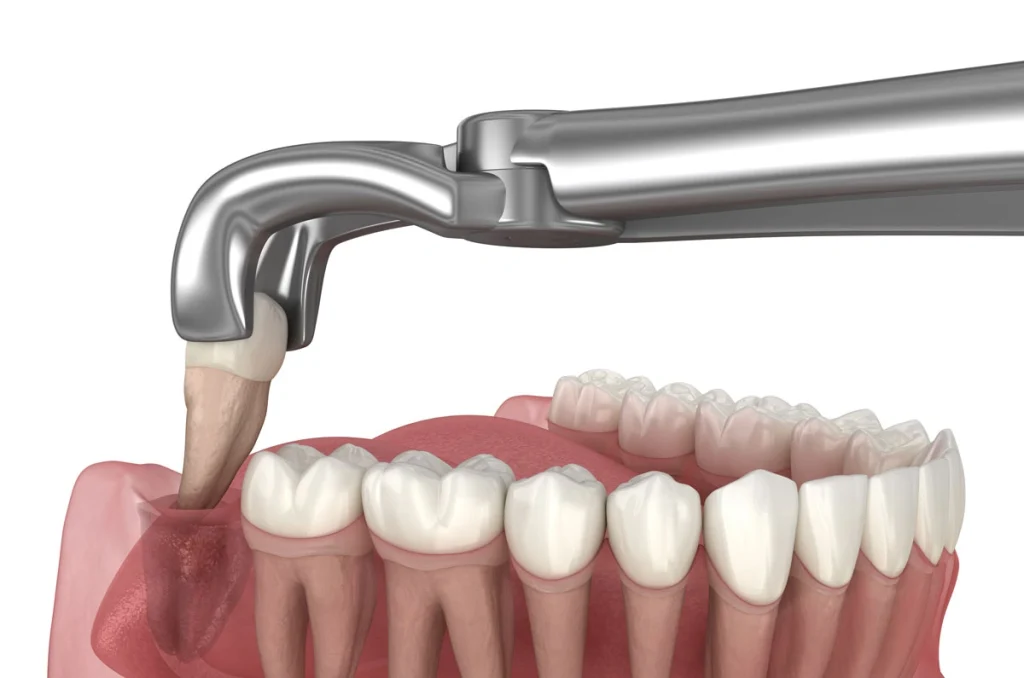
Wisdom teeth removal is a routine dental procedure, but the recovery process plays a critical role in how quickly and comfortably you heal. Whether you’ve had one or all four wisdom teeth removed, post extraction care is vital for avoiding complications such as infection or dry socket. With the right guidance and discipline, recovery can be swift and relatively painless.
What Happens Right After Wisdom Tooth Extraction?
As soon as your wisdom teeth are removed, your body begins forming a blood clot at the extraction site. This clot acts like a protective shield, stopping bleeding and starting the healing process. The first 24 to 48 hours are critical, as any disturbance to the clot can lead to complications and prolong healing.
In the first 24 hours, you can expect:
- Minor bleeding
- Swelling around the jaw or cheeks
- Soreness or stiffness in the jaw
- Some difficulty opening the mouth fully
Following your dentist Melbourne post-operative instructions during this time is crucial for proper clot formation and overall recovery.
How Can You Minimise Pain and Swelling After Surgery?
Pain and swelling are the body’s natural responses to oral surgery. These symptoms typically peak around the second or third day and gradually subside with appropriate care.
Effective recovery strategies include:
- Taking pain relief as prescribed and at regular intervals
- Applying cold packs to the outer cheek for the first 24 hours
- Switching to warm compresses from day 2 onwards to ease muscle stiffness
- Keeping your head elevated with an extra pillow while resting
- Avoiding physical exertion or exercise during the first 3–5 days
Following these recommendations will reduce inflammation and make the recovery process significantly more comfortable.
What Are the Most Important Do’s and Don’ts During Recovery?
Proper behaviour in the days following surgery can make a big difference in healing time and comfort.
Do:
- Rest as much as possible in the first few days
- Gently rinse your mouth with warm salt water after the first 24 hours
- Eat soft, nutrient-rich foods that require little to no chewing
- Maintain hydration with small sips of water throughout the day
- Brush nearby teeth gently, avoiding the extraction site
Don’t:
- Smoke or use tobacco products, as they delay healing
- Drink through a straw (this can dislodge the clot)
- Eat spicy, crunchy, or hard foods
- Rinse or spit forcefully in the first 24 hours
- Touch the extraction area with your fingers or tongue
What Should You Eat – And Avoid – After Surgery?
Choosing the right foods can protect the extraction site, prevent irritation, and give your body the nutrition it needs to heal.
Best and Worst Foods After Wisdom Tooth Removal
| Food Category | Recommended Options | Foods to Avoid |
| Proteins | Scrambled eggs, yoghurt, cottage cheese | Steak, nuts, jerky |
| Carbohydrates | Mashed potatoes, soft pasta, rice porridge | Chips, crusty bread, crackers |
| Fruits/Veg | Applesauce, smoothies (no seeds), pumpkin | Raw veg, seeded fruits, popcorn |
| Drinks | Cool water, herbal tea (lukewarm), broth | Hot drinks, fizzy drinks, alcohol |
Stick to cool, soft foods for the first three days. Gradually reintroduce firmer foods as you become more comfortable and healing progresses.
What Does a Typical Recovery Timeline Look Like?
Most people recover fully within 7 to 14 days. Here’s a breakdown of what to expect during that time:
Wisdom Teeth Recovery Timeline
| Day | Common Symptoms | Recommended Actions |
| Day 1 | Bleeding, swelling, soreness | Bite on gauze, apply ice packs, rest, take meds |
| Day 2–3 | Peak swelling, jaw stiffness | Warm compresses, saltwater rinses, soft foods |
| Day 4–7 | Less pain, improving jaw mobility | Gentle brushing, continue soft diet and rinsing |
| Week 2+ | Nearly healed, minor tenderness | Resume normal diet, return to regular activity |
Note: Healing may take longer for complex extractions or impacted teeth.
How Can You Avoid Dry Socket and Other Complications?
Dry socket occurs when the blood clot is lost prematurely, exposing the bone and nerves beneath. This is one of the most painful and common complications after wisdom tooth extraction, but it’s largely preventable.
To avoid dry socket:
- Don’t smoke, vape or chew tobacco
- Avoid using straws or spitting forcefully
- Limit physical activity for the first few days
- Rinse gently after 24 hours with warm salt water
- Follow all post-operative instructions provided by your dental team
Other complications to watch for include infection (swelling that worsens, fever, or pus), persistent bleeding, and numbness. Always contact your dentist promptly if symptoms persist or worsen.
When Should You Call Your Dentist?
It’s normal to experience some discomfort and swelling after surgery. However, you should get in touch with your dentist Melbourne CBD if you experience:
- Bleeding that doesn’t slow after 48 hours
- Fever or chills
- Severe or increasing pain not managed by medication
- Foul odour or taste in the mouth
- Numbness that doesn’t subside after the local anaesthetic wears off
Prompt care can prevent minor issues from turning into serious complications.
Why Choose Women in Dentistry for Your Wisdom Tooth Care?
At Women in Dentistry, we don’t just perform procedures — we care about your comfort, recovery, and long-term oral health. Our experienced team provides personalised care before, during, and after your wisdom teeth removal.
We take the time to:
- Tailor your post-operative care instructions to your needs
- Monitor your healing with follow-up appointments and check-ins
- Use gentle surgical techniques designed to minimise trauma and speed up healing
- Provide ongoing support to help you recover with confidence
If you want exceptional care in a supportive and welcoming environment, Women in Dentistry is the name to trust for wisdom teeth removal and recovery in Australia.
References
Australian Dental Association – Wisdom Teeth Fact Sheet
https://www.ada.org.au/Dental-Health/Wisdom-Teeth
Healthdirect Australia – Tooth Extraction Recovery
https://www.healthdirect.gov.au/tooth-extraction-recovery
Better Health Channel (Victoria) – Dental Surgery Care
https://www.betterhealth.vic.gov.au/health/conditionsandtreatments/wisdom-teeth
Frequently Asked Questions
- How long should I take off work or study after wisdom teeth removal?
Generally, 2 to 3 days is enough for standard extractions. If your job is physically demanding, you may need more time off. - Can I brush my teeth after surgery?
Yes, you can brush nearby teeth starting the day after surgery. Be gentle and avoid touching the extraction sites. - When can I eat solid food again?
You can start reintroducing solid foods around day 4–5, depending on how your mouth feels. Always start with soft solids. - Is it normal to have swelling and bruising?
Yes, swelling is normal and often peaks on day 2 or 3. Some bruising may also appear, particularly in the lower jaw area. - What is the best sleeping position after surgery?
Sleep with your head elevated on pillows for the first 2 nights. This reduces swelling and supports clot formation. - When should I return to the dentist for follow-up?
Most follow-up appointments are scheduled within 7–10 days, especially if you had sutures placed.





