
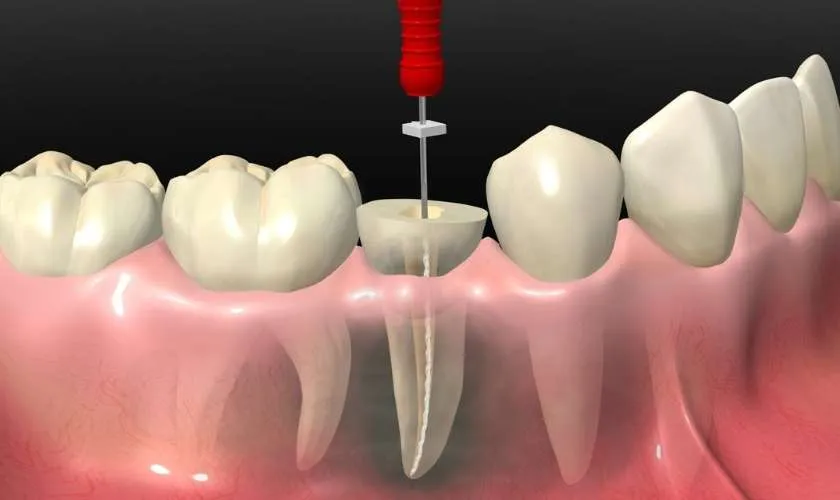
There was a time when the phrase “root canal” evoked dread in dental patients. Images of long, uncomfortable procedures and post-operative pain lingered in many people’s minds. Fortunately, that perception is now largely outdated. Thanks to remarkable advances in dental technology and techniques, modern root canal therapy is not only effective but also virtually painless and far more efficient than in years past. This article explores how contemporary root canal procedures have transformed, what you can expect during treatment, and why avoiding them due to fear is a thing of the past.
Why Is Root Canal Therapy Needed in the First Place?
Root canal therapy becomes necessary when the pulp — the soft tissue inside the tooth containing nerves and blood vessels — becomes infected or inflamed. This can result from:
- Deep decay
- Repeated dental procedures on the same tooth
- Cracks or chips
- Traumatic injury
If left untreated, such infections can lead to severe pain, abscesses, and even tooth loss. Root canal treatment saves the tooth and restores function without the need for extraction.
How Have Pain Management Techniques Improved?
One of the most significant developments in modern endodontics is pain management. Today, patients can expect:
- Advanced local anaesthesia that numbs the tooth completely
- Computer-assisted delivery systems that make injections more comfortable
- Sedation options for particularly anxious patients
These approaches, combined with faster techniques, ensure that patients feel minimal to no discomfort during the procedure.
What Technologies Make Root Canals More Efficient?
Modern root canal therapy is powered by advanced tools and imaging techniques that enhance precision and shorten treatment time.
Key Technologies Used:
| Technology | Purpose | Benefit |
| Rotary Endodontic Instruments | Mechanised cleaning and shaping of canals | Faster and more precise |
| Apex Locators | Measures the length of root canals electronically | Reduces guesswork, improves accuracy |
| Digital Radiography (X-rays) | Real-time imaging of the tooth | Less radiation, clearer diagnosis |
| Cone Beam CT (CBCT) | 3D imaging of tooth and surrounding bone | Enhanced treatment planning |
| Dental Microscopes | Magnifies root structures | Better visualisation, less risk of errors |
| Laser-Assisted Disinfection | Sterilises canal system | Minimises infection and boosts healing |
What Are the Main Benefits of Modern Root Canal Therapy?
Modern root canal treatment offers a wide range of patient-focused advantages:
- Minimally invasive procedure with tissue preservation
- Quicker recovery times and less post-treatment discomfort
- Single-visit treatment is possible in many cases
- Higher success rates due to improved technology
- Reduced need for antibiotics as disinfection is more effective
- Natural tooth preservation, maintaining biting strength and alignment
What Steps Are Involved in a Contemporary Root Canal?
Understanding what happens during a root canal can ease anxiety. Here’s a step-by-step outline:
- Examination and Imaging
- Your dentist uses X-rays or CBCT scans to assess the extent of damage.
- Anaesthesia
- Local anaesthesia is administered to ensure a pain-free experience.
- Access Opening
- A small hole is drilled into the tooth to reach the infected pulp.
- Cleaning and Shaping
- Rotary instruments and disinfectants remove infected tissue and shape the canal.
- Sealing
- The canal is filled with biocompatible material (usually gutta-percha) and sealed.
- Final Restoration
- A crown or filling is placed to protect the tooth and restore function.
How Do Modern and Traditional Root Canals Compare?
| Feature | Traditional Root Canal | Modern Root Canal |
| Pain Experience | Often uncomfortable | Pain-free or mild discomfort |
| Treatment Time | Multiple long visits | Often one efficient appointment |
| Instruments Used | Manual hand files | Rotary/laser-enhanced systems |
| Visualisation | Basic X-rays | Digital imaging and microscopes |
| Risk of Re-infection | Higher | Significantly reduced |
| Overall Patient Comfort | Low | High |
How Can You Prevent the Need for a Root Canal?
While root canal therapy is now a smooth experience, prevention is always better. Follow these key steps:
- Maintain excellent oral hygiene (brushing twice and flossing daily)
- Attend routine dental check-ups
- Address cavities and dental issues early
- Avoid hard foods that may crack teeth
- Wear a mouthguard if playing contact sports or grinding teeth
Who Can You Trust for a Modern, Comfortable Experience?
If you’re looking for a trusted and progressive dental experience that puts patient comfort first, look no further than Women in Dentistry. Our team is passionate about delivering advanced dental care, including root canal therapy, with a gentle touch and uncompromising quality. We combine cutting-edge technology with a warm, personalised approach to ensure each patient walks out feeling confident and cared for. At Women in Dentistry, we’re proud to be at the forefront of modern dentistry — empowering our patients with knowledge, precision treatment, and lasting results.
References
- Australian Dental Association (ADA) – Root Canal Treatment
https://www.ada.org.au/Your-Dental-Health/Younger-Adults-18-30/Root-Canal-Treatment - Better Health Channel – Root Canal Treatment
https://www.betterhealth.vic.gov.au/health/conditionsandtreatments/root-canal-treatment - Royal Australian College of Dental Surgeons – Endodontics
https://racds.org
FAQs
- Is the root canal pain-free now?
Yes. With modern anaesthetic techniques and faster procedures, most patients experience little to no discomfort during treatment.
- How long does a modern root canal take?
Many cases can be completed in a single visit lasting about 60–90 minutes, depending on the complexity.
- Will I need a crown after my root canal?
Often, yes. A crown helps protect the treated tooth and restores its strength and function.
- Can I go back to work after a root canal?
Most patients can return to normal activities the same day, though some may prefer to rest.
- What are the signs I might need a root canal?
Persistent tooth pain, sensitivity to hot/cold, swelling, or discolouration may indicate infection.
- Is a root canal better than removing the tooth?
Yes, preserving the natural tooth is typically the best option for long-term dental health and function.





