
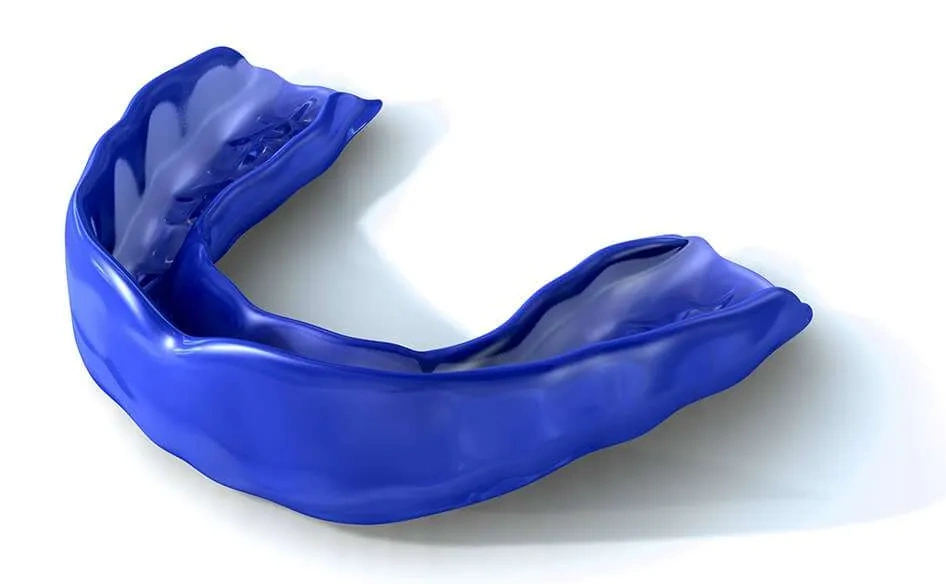
In the world of youth sport, where courage is fierce and every match feels like a championship, young athletes give it their all, often with little thought for the consequences of accidental collisions or stray elbows. But behind every sprint, tackle, or leap lies a real and often overlooked risk: dental injury. From fractured teeth to jaw trauma, the physical impact of contact sports can have lasting effects, particularly on growing smiles. Fortunately, there’s a highly effective, preventative solution designed to protect them — custom sports mouthguards.
Why Are Custom Mouthguards Essential for Children Who Play Sports?
Many parents associate mouthguards with professional athletes, but they are equally — if not more — essential for children. Young athletes are still growing, and their developing teeth, jaws, and facial structures are more vulnerable to trauma. A well-made mouthguard cushions the blow, helping to prevent chipped or knocked-out teeth, soft tissue damage, and even concussions in certain cases.
While stock and boil-and-bite mouthguards are readily available in stores, they often lack the fit, retention, and shock absorption needed during high-impact sports. Custom-fitted mouthguards, designed and fabricated by dental professionals, offer tailored protection for each child’s unique dental anatomy.
What Are the Benefits of Custom-Fitted Mouthguards Over Store-Bought Ones?
The distinction between custom and over-the-counter mouthguards is significant, extending not only to design but also to functionality, comfort, and longevity.
Key Benefits Include:
• Precision Fit: Custom mouthguards are made from dental impressions, ensuring a snug and secure fit that stays in place during play.
• Enhanced Comfort: Less bulky than boil-and-bite alternatives, they allow for easier breathing and speaking.
• Superior Protection: Designed to provide uniform thickness in vulnerable areas, offering better impact distribution.
• Durability: Made from high-quality materials that last longer with proper care.
• Reduced Risk of Concussions: By cushioning jaw impacts, they may help reduce the force transmitted to the brain.
Which Sports Require Mouthguards for Safety?
While some sports legally mandate mouthguards, others simply recommend them. Regardless, any sport with potential for falls, collisions, or contact with hard surfaces benefits from mouthguard use.
Sports Where Mouthguards Are Strongly Recommended:
• Rugby
• Australian Rules Football (AFL)
• Hockey (Field and Ice)
• Martial Arts (Karate, Judo, MMA)
• Basketball
• Boxing
• Skateboarding / BMX
• Soccer (though not always mandated)
How Do Custom Mouthguards Compare to Store-Bought Versions?
Feature Custom Mouthguards Boil-and-Bite / Stock Mouthguards
Fit Professionally moulded, Generic, or self-moulded
Comfort High Moderate to low
Speech and Breathing Unimpeded Often obstructed
Longevity Long-lasting (1–3 years) Short-term (months)
Protection Optimal Basic/inconsistent
Material Quality: Medical-grade polymers are often less durable
Customisation: Fully tailored, One-size, or semi-adjustable
What Are the Signs Your Child Needs a New Mouthguard?
Just like shoes or uniforms, mouthguards can wear out or no longer fit as your child grows. Look out for:
• Cracks, tears, or thinning areas
• Difficulty keeping it in place
• Complaints about discomfort or breathing
• Changes in tooth alignment (orthodontic treatments may require a new fit)
• Foul odours even after cleaning (may indicate embedded bacteria)
How Are Custom Mouthguards Made?
The process of creating a custom sports mouthguard is straightforward, painless, and highly effective:
1. Consultation & Examination – A dental professional assesses your child’s oral health and sporting needs.
2. Dental Impression or 3D Scan – A precise mould is taken of the upper teeth and jaw.
3. Laboratory Fabrication – Using dental-grade materials, the mouthguard is created to exact specifications.
4. Fitting Appointment – Once ready, it is adjusted for maximum comfort and retention.
5. Education – Parents and children receive advice on care and maintenance.
What Makes a High-Quality Mouthguard?
Several factors contribute to an effective mouthguard, beyond just appearance:
• Thickness: Should be sufficient to absorb shock (especially in the front and molar areas).
• Retention: Must stay securely in place without needing to be bitten down.
• Material: Non-toxic, BPA-free, and compliant with safety regulations.
• Design: Allows for normal speech, breathing, and swallowing.
• Cleaning: Resistant to bacterial buildup and easy to clean.
How Can Parents Maintain Their Child’s Mouthguard?
Proper care can extend the life of the mouthguard and ensure hygienic use.
Care Tips:
• Rinse with cold water before and after each use.
• Clean weekly using mild soap and a soft toothbrush.
• Store in a ventilated container when not in use.
• Avoid exposure to high heat (e.g., hot water or direct sunlight).
• Bring it to dental check-ups for evaluation.
Why Choose Women in Dentistry for Custom Mouthguards?
At Women in Dentistry, we’re passionate about protecting young smiles — both on and off the field. Our tailored approach to custom sports mouthguards ensures that each appliance is meticulously crafted for superior fit, comfort, and safety. We understand that every child’s mouth is different, and our commitment to detail allows us to deliver mouthguards that support their sporting ambitions while safeguarding their dental health. With our supportive and welcoming environment, we make the process easy for families and enjoyable for kids, because caring for young athletes starts with a confident smile.
References
• Australian Dental Association. (n.d.). Mouthguards for sport. Retrieved from: https://www.ada.org.au/Your-Dental-Health/Teens-12-17/Mouthguards
• Sports Medicine Australia. (n.d.). Injury Prevention in Junior Sport. Retrieved from: https://sma.org.au/resources-advice/policies/injury-prevention/
• Department of Health, Victoria. (n.d.). Dental trauma and prevention. Retrieved from: https://www.betterhealth.vic.gov.au/health/conditionsandtreatments/teeth-injury
Frequently Asked Questions (FAQs)
1. Are custom mouthguards suitable for children with braces?
Yes, custom mouthguards can be made to accommodate braces, offering protection for both the appliance and the soft tissues of the mouth.
2. At what age should my child start wearing a mouthguard?
As soon as your child begins participating in contact or high-risk sports, often from as early as age 6.
3. How long does a custom mouthguard last?
With proper care, a mouthguard can last 1–3 years. However, regular assessments are important due to growth and dental changes in children.
4. Do mouthguards help prevent concussions?
While not guaranteed, a well-designed custom mouthguard can reduce the force of jaw impacts, potentially lowering the risk of concussive injury.
5. Can my child still speak and breathe normally with a custom mouthguard?
Yes. Custom mouthguards are specifically designed to allow comfortable speech and breathing, unlike many over-the-counter options.
6. How often should my child’s mouthguard be checked by a dentist?
Ideally, every 6 months, or during regular check-ups, especially during growth spurts or orthodontic treatment.





