
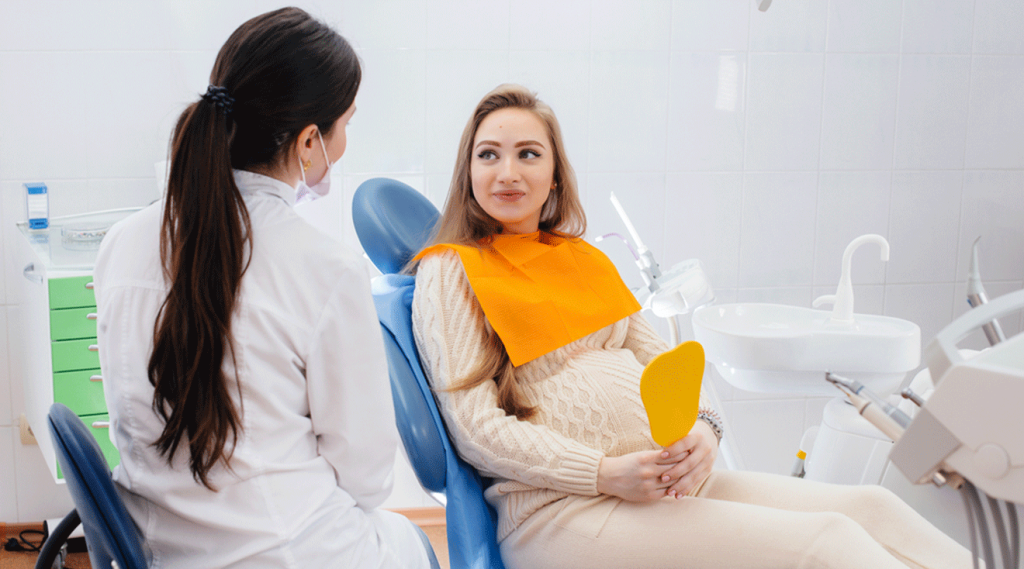
Bringing a new life into the world is a profound and life-altering experience. In the flurry of sleepless nights, feeding schedules, and adapting to a new normal, many mothers naturally place their baby’s well-being ahead of their own. But amid this whirlwind, one essential aspect of maternal health often slips through the cracks — oral health. Postpartum dental care is rarely top of mind, yet it plays a critical role in a mother’s overall well-being and long-term health.
Hormonal changes, dietary shifts, and neglected dental routines during pregnancy can leave a lasting impact on oral health well after birth. Understanding why dental care after pregnancy is essential and how to fit it into your postpartum routine is the first step in reclaiming your health, for you and your baby.
What Oral Health Issues Commonly Arise After Pregnancy?
The postpartum period is marked by recovery, hormonal recalibration, and significant lifestyle changes. These shifts often manifest in the mouth in the following ways:
Common Oral Health Issues Postpartum:
- Gum inflammation (gingivitis): Hormonal fluctuations can sustain or worsen pregnancy-induced gum sensitivity.
- Tooth decay: Frequent snacking and disrupted hygiene routines can lead to increased plaque and decay.
- Dry mouth: Hormonal imbalance and certain medications can reduce saliva flow.
- Enamel erosion: Acid exposure from pregnancy-related vomiting or dietary changes can linger.
- Jaw pain or clenching: Stress-related habits like bruxism (teeth grinding) may develop or worsen postpartum.
Addressing these issues promptly is key to avoiding long-term damage.
How Do Hormones Impact Oral Health After Birth?
During pregnancy, elevated levels of oestrogen and progesterone increase blood flow to the gums, making them more susceptible to swelling, bleeding, and infection — a condition known as pregnancy gingivitis. These hormones begin to stabilise after birth, but the effects on the gums may linger, especially if not addressed promptly.
Additionally, breastfeeding mothers may experience lower oestrogen levels, which can lead to a reduction in saliva production, contributing to dry mouth and a higher risk of tooth decay.
Is There a Link Between Mum’s Oral Health and Baby’s Health?
Yes — and it’s more significant than many realise. A mother’s oral bacteria can be transferred to her baby through saliva, particularly in the early stages of life. This transmission can increase a child’s risk of developing early childhood caries. By ensuring your own dental hygiene is maintained, you’re also helping lay the foundation for your child’s future oral health.
What Are the Benefits of Seeing a Dentist Postpartum?
Getting a dental check-up after giving birth offers benefits beyond just a clean smile. It helps:
- Detect and treat any oral issues that worsened during pregnancy
- Remove plaque build-up missed during months of interrupted hygiene routines
- Prevent ongoing gum disease or infections
- Reduce the risk of bacteria transmission to your child
- Support overall well-being and confidence during the transition to motherhood
How Can Mums Maintain Oral Hygiene With a Newborn?
Managing self-care with a newborn can feel impossible, but integrating oral hygiene doesn’t have to be overwhelming. These simple habits can make a big difference:
Practical Postpartum Dental Care Tips:
- Brush twice daily with fluoride toothpaste
- Floss once a day — consider floss picks for ease
- Rinse with alcohol-free mouthwash to reduce bacteria
- Stay hydrated to help prevent dry mouth
- Avoid frequent sugary snacks, especially during night feeds
- Eat calcium-rich foods to strengthen teeth
- Keep a toothbrush in the kitchen or living room for convenience
Remember, even five minutes of care can help prevent months of discomfort.
What’s the Difference Between Pregnancy and Postpartum Oral Health?
Understanding how oral health concerns shift between pregnancy and the postpartum period can help you prioritise care effectively. Here’s a helpful breakdown:
Comparison Table: Pregnancy vs Postpartum Oral Health Concerns
| Oral Health Concern | During Pregnancy | Postpartum Phase |
| Hormonal Gum Sensitivity | Elevated due to pregnancy hormones | Stabilises but may remain inflamed |
| Risk of Gingivitis | High | Remains if untreated |
| Access to Dental Treatment | Often delayed or limited | Safe and encouraged after delivery |
| Enamel Erosion | Caused by morning sickness | Less common but dietary habits may linger |
| Focus on Oral Health | Often de-prioritised | Still neglected due to time constraints |
When Should Mums See a Dentist After Giving Birth?
Ideally, new mums should aim to book a postnatal dental check-up within the first six months after delivery. If you experienced gum bleeding, tooth sensitivity, or missed cleanings during pregnancy, a sooner visit may be warranted.
Let your dentist know if you are breastfeeding, as this may influence treatment recommendations or materials used in certain procedures.
Why Choose “Women in Dentistry” for Your Postpartum Oral Health Needs?
At Women in Dentistry, we understand that a mother’s health journey doesn’t end at birth. Our practice was built around supporting women through every stage of life, including the unique challenges faced in the months after delivery. Our warm, judgment-free approach ensures that no matter how long it’s been since your last visit, you’ll be welcomed with respect and genuine care.
We offer flexible appointment scheduling, a gentle approach tailored to sensitive gums, and a deep commitment to protecting both your oral health and your child’s future well-being. Whether you’re a new mum booking your first postnatal check-up or looking for a practice that truly understands the needs of women, Women in Dentistry is here to support you.
References
- Australian Dental Association: https://www.ada.org.au
- Raising Children Network: https://raisingchildren.net.au
- Better Health Channel – Dental Care During Pregnancy and Beyond: https://www.betterhealth.vic.gov.au
FAQs
- Is it safe to visit the dentist while breastfeeding?
Yes. Most dental treatments, including cleanings and fillings, are safe during breastfeeding. Always let your dentist know you are breastfeeding before any procedure. - Can oral health affect my baby’s health?
Yes. Bacteria from untreated dental issues can be transferred to your baby, increasing their risk of early cavities. - Why are my gums still bleeding months after giving birth?
Lingering hormonal effects or untreated gingivitis from pregnancy may be to blame. A dental visit can help diagnose and treat the issue. - What if I didn’t see a dentist during pregnancy?
It’s not too late. A postnatal check-up can help address any concerns that developed or worsened during pregnancy. - Are there dental treatments I should delay while breastfeeding?
Most treatments are safe, but elective procedures can often wait. Your dentist will guide you based on your needs. - How can I fit oral care into my busy schedule as a mum?
Keep dental essentials nearby and use moments like nap time or feeding breaks to brush or floss. Even a few minutes a day can make a big difference.





