
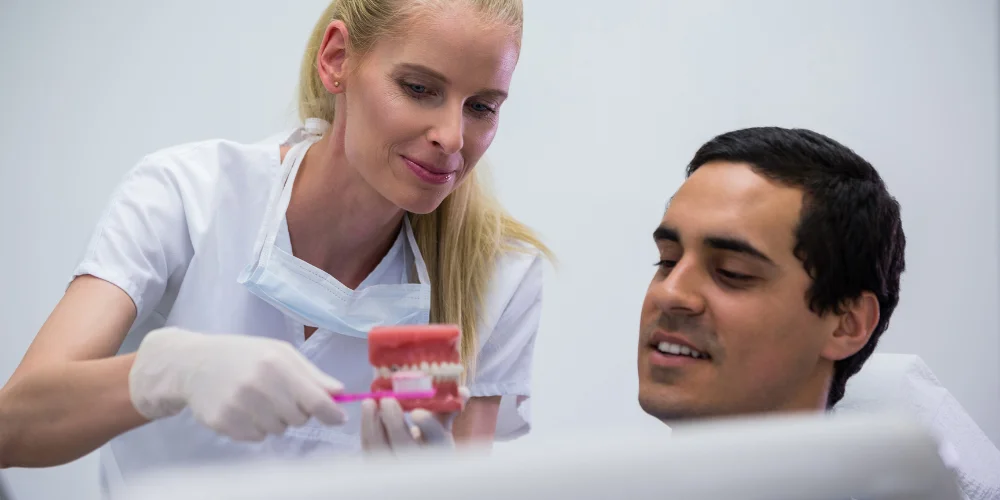
There is something deeply personal about the way we feel when we smile. It shows up in conversations, photographs, meetings, and quiet everyday moments. Many people who enquire about dental veneers are not chasing perfection. They are usually looking to address something that has bothered them for years, such as a chipped edge, stubborn discolouration, or teeth that look slightly uneven. Veneers are often discussed in cosmetic dental consultations because they can be considered for a range of surface level concerns. The key is understanding what they can help with, what they cannot change, and whether they are suitable for you.
Dental veneers are thin custom made shells, typically porcelain veneers or composite veneers, that are bonded to the front surface of teeth. They are individually designed and may involve enamel preparation. In most cases, they are irreversible and require long term maintenance and eventual replacement. Suitability varies between individuals and a full veneer suitability assessment is essential before proceeding.
Which Common Appearance Concerns Lead People To Consider Veneers?
When discussing cosmetic dental options, there are several recurring themes that arise in consultation. Below is a structured overview of the most common concerns fixed by veneers, along with important considerations.
| Concern | How Veneers May Be Considered | Important Considerations |
| Chipped Teeth | Can restore appearance of minor chips | Larger fractures may require crowns |
| Discolouration | May improve appearance where whitening is ineffective | Not all staining types respond equally |
| Small Gaps | Can visually reduce minor spacing | Orthodontics may be more suitable for alignment issues |
| Uneven Edges | Can create more uniform tooth length | Requires enamel preparation |
| Worn Enamel | May restore lost structure in mild cases | Bruxism must be assessed |
| Misshapen Teeth | Can modify perceived shape | Long term maintenance required |
| Mild Crowding | Can improve visual alignment | Does not reposition teeth biologically |
| Size Discrepancies | Can balance proportions | Individualised design required |
This table highlights an important point. Veneers are generally considered for cosmetic surface concerns. They do not move teeth in the way orthodontics does, and they are not suitable for untreated gum disease or significant structural damage.
Can Veneers Help With Chipped Or Worn Teeth?
Minor chips on front teeth are one of the most common reasons people explore tooth surface restoration. Enamel bonding procedures using composite veneers or porcelain veneers may be considered where damage is limited to the surface. For worn tooth enamel caused by grinding, assessment of bruxism is critical before planning treatment.
It is important to note that veneers may not be suitable for heavily fractured teeth. In such cases, crowns or other restorative options may be more appropriate. A thorough examination ensures the treatment plan is based on function as well as appearance.
Are Veneers Suitable For Stained Or Discoloured Teeth?
Discoloured teeth treatment options vary depending on the type of staining. Extrinsic staining may respond well to whitening. However, intrinsic staining, tetracycline staining, enamel defects, and fluorosis appearance management may prompt discussion about veneers.
Whitening limitations are important to understand. Some intrinsic discolouration does not respond predictably to bleaching. In these situations, veneers may be considered to modify the visible surface. Even then, results vary between individuals and shade selection requires careful planning.
Do Veneers Close Small Gaps And Improve Uneven Teeth?
Small gaps between teeth and mild spacing concerns are frequently raised in cosmetic dental consultations. Veneers can sometimes visually reduce minor spacing without orthodontics. However, for moderate to severe alignment issues, orthodontics vs veneers comparison must be discussed.
Veneers for uneven teeth can adjust perceived tooth length and contour. They can address uneven tooth edges and tooth size discrepancies, including cases of microdontia. What veneers do not do is reposition the roots of teeth. That distinction is critical when considering alternatives.
What About Mild Crowding Or Misshapen Teeth?
Mild crowding cosmetic solutions sometimes include veneers, particularly when alignment irregularities are subtle and the patient prefers a shorter treatment timeline compared to braces. That said, veneers do not correct the biological position of teeth.
Misshapen teeth correction is another area where veneers are often considered. Teeth that appear too small, slightly rotated, or asymmetrical may be modified to achieve better balance. Individualised design is essential, and reversible vs irreversible dental procedures should be carefully explained during consultation.
How Do Veneers Compare With Other Cosmetic Options?
Understanding alternatives supports informed decision making. Below is a comparison table outlining veneers alongside other commonly discussed options.
| Option | Best For | Limitations |
| Veneers | Cosmetic surface concerns | Irreversible, requires maintenance |
| Whitening | Extrinsic staining | Limited effect on intrinsic stains |
| Orthodontics | Tooth alignment | Longer treatment time |
| Composite Bonding | Minor chips and shape adjustments | May stain or wear faster |
| Crowns | Significant structural damage | More tooth reduction required |
This comparison helps clarify that minimally invasive cosmetic dentistry is not always one size fits all. Each option has advantages and limitations.
What Should You Know About Risks And Maintenance?
All dental veneer lifespan variability depends on oral hygiene, bite forces, and material choice. Porcelain veneers are typically durable, while composite veneers may require more frequent maintenance.
Potential risks include:
- Tooth sensitivity possible
- Risk of chipping or fracture
- Not suitable for untreated gum disease
- May require replacement over time
- Long term veneer care required
Enamel preparation means that most veneer procedures are irreversible. That is why a comprehensive dental aesthetics consultation is essential before proceeding.
Why Is A Personalised Consultation So Important?
A veneer treatment planning appointment involves more than selecting a shade. It includes assessment of enamel thickness, bite forces, gum health, and overall oral health. Alternatives to consider are clearly outlined and informed consent is obtained.
Suitability varies between individuals. A comprehensive examination is required before any cosmetic bonding vs veneers decision is made. Long term expectations, including maintenance requirements, must be clearly understood.
How Does Women in Dentistry Support Patients Considering Veneers?
Women in Dentistry stands as a powerful voice in modern cosmetic dentistry, bringing together skilled professionals committed to ethical care, transparent communication, and patient centred treatment planning. For individuals exploring dental veneers in Australia, Women in Dentistry represents more than a network. It reflects a philosophy grounded in education, balanced information, and respectful consultation.
When considering options such as porcelain veneers or composite veneers, having access to practitioners who prioritise suitability assessment, discuss risks openly, and explore alternatives can make all the difference. Women in Dentistry promotes evidence informed practice while ensuring patients feel heard, understood, and empowered to make decisions about their smile appearance concerns. For adults seeking cosmetic dental options that align with both aesthetics and oral health, this organisation offers reassurance through integrity and clinical expertise.
References
Australian Dental Association
Oral Health Topics and Patient Information
https://www.ada.org.au/Oral-Health-Topics
Australian Health Practitioner Regulation Agency
Advertising and Regulated Health Services Guidelines
https://www.ahpra.gov.au/Publications/Advertising-hub.aspx
National Health and Medical Research Council
Guidelines for Preventive Activities in General Practice
https://www.nhmrc.gov.au
Frequently Asked Questions
Are veneers suitable for everyone?
No. Veneers require healthy teeth and gums. Suitability varies between individuals and a comprehensive examination is necessary.
Do veneers damage enamel?
Most veneer procedures involve some enamel preparation, which is generally irreversible. This is discussed during consultation.
How long do veneers last?
Dental veneer lifespan variability depends on oral hygiene, bite forces, and material choice. Maintenance and potential replacement are expected over time.
Can veneers close gaps instead of braces?
They may visually reduce minor spacing. However, orthodontics may be more suitable for alignment issues.
Are porcelain veneers better than composite veneers?
Each material has advantages. Porcelain veneers are often more durable, while composite veneers may be less invasive initially. Individual factors determine suitability.
Do veneers look natural?
They are individually designed to match surrounding teeth. However, results vary between individuals and depend on treatment planning and maintenance.
Disclaimer
All dental procedures involve potential risks and benefits. The information provided in this blog is general in nature and should not be taken as medical advice. We recommend that you seek guidance from a suitably qualified health professional before making decisions about your oral health. Where appropriate, you may also wish to consider obtaining a second opinion.
Any images or videos featured are shared with the informed consent of our patients and are intended for educational purposes only. They are not a guarantee of results, as every patient is unique. Treatment outcomes — including recovery, potential complications, and effectiveness — can vary from person to person.





