
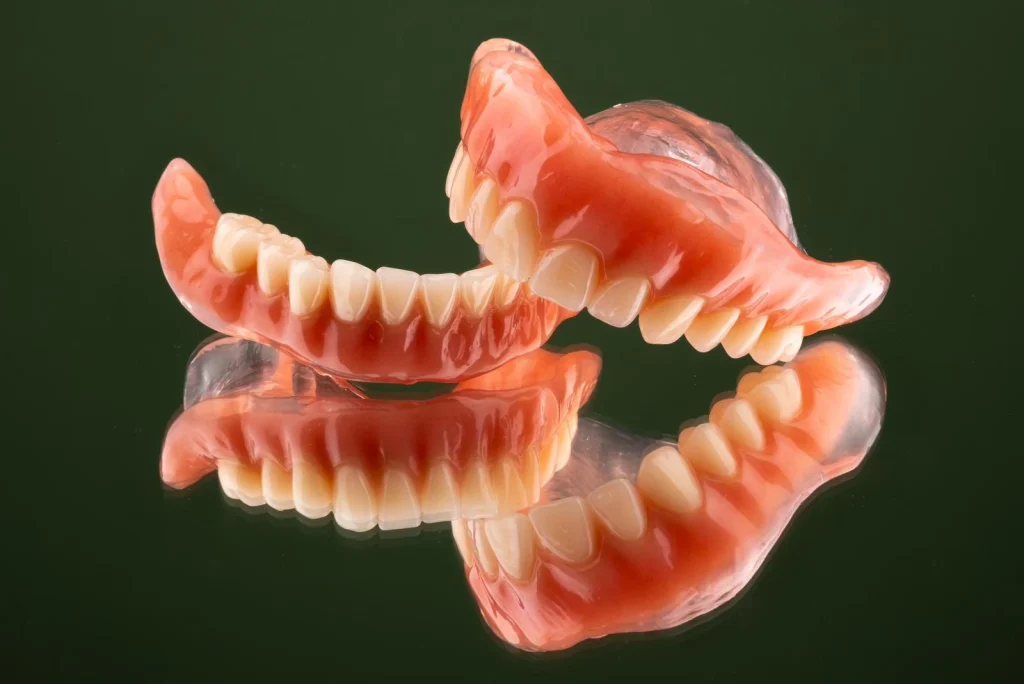
What Are Dentures and Why Might They Be Needed?
Dentures are custom-made dental prostheses designed to replace missing teeth and help restore oral function. Whether an individual has lost several teeth or an entire arch, dentures can assist with essential activities such as eating and speaking. They may also support the surrounding oral structures, helping maintain facial shape and reducing the risk of complications associated with tooth loss.
There are several types of dentures available, each tailored to specific dental needs. Understanding the types, features, and care requirements of dentures can help individuals make an informed decision that aligns with their lifestyle and oral health goals.
What Types of Dentures Are Available?
Choosing the right denture starts with understanding the available options. Each type has specific attributes, benefits, and considerations:
- Full (Complete) Dentures: Used when all teeth in an arch are missing.
- Partial Dentures: Suitable for replacing several missing teeth while preserving remaining natural teeth.
- Immediate Dentures: Placed immediately after tooth extraction; typically a temporary solution during healing.
- Conventional Dentures: Created and fitted after the gum tissues have healed.
- Implant-Supported Dentures: Anchored to dental implants for added stability.
- Flexible Dentures: Made from softer materials for increased comfort and flexibility.
How Do Denture Materials Affect Function and Comfort?
The material used in a denture can influence its durability, comfort, and aesthetics. Here’s a brief comparison:
| Material | Description | Common Use | Considerations |
| Acrylic | Lightweight plastic base | Full/Partial Dentures | May wear over time |
| Chrome-Cobalt | Metal alloy framework | Partial Dentures | Durable but may be visible |
| Flexible Nylon | Soft, aesthetic resin | Partial Dentures | May not suit all situations |
Selecting the right material often depends on clinical needs, aesthetic preferences, and individual suitability. A dental professional can help evaluate these factors during a consultation.
What Lifestyle Factors Should Be Considered?
Choosing a denture involves more than just clinical assessment. Lifestyle habits, oral hygiene routines, and long-term expectations may influence the most appropriate solution.
- Eating habits: Firmer foods may require options with greater stability, such as implant-supported dentures.
- Speech considerations: The fit and design can impact speech clarity, particularly during the adjustment period.
- Manual dexterity: Individuals with reduced hand mobility may benefit from dentures that are easier to manage.
- Maintenance needs: Some denture types require more cleaning or professional adjustment.
- Aesthetic preferences: Factors like translucency, material flexibility, and tooth shade can influence satisfaction.
How Do Denture Types Compare?
A comparative overview of commonly used denture types:
| Feature | Full Denture | Partial Denture | Implant-Supported Denture |
| Use Case | All teeth missing | Some teeth missing | Enhanced retention |
| Removability | Yes | Yes | Some are fixed |
| Retention Method | Suction | Clasps | Implants |
| Time to Fabrication | Moderate | Short | Longer (involves surgery) |
| Maintenance Needs | Moderate | Moderate | Higher initially |
This table is intended to support discussion and does not replace professional advice.
What Are the Potential Benefits and Considerations?
Dentures may provide both functional and cosmetic support, but they also require proper care and adjustment over time.
Potential Benefits:
- May assist in restoring facial support
- Can support speech and chewing function
- Help prevent remaining teeth from shifting (in partial dentures)
- Designed for a customised fit
Clinical Considerations:
- Adjustment period may be needed
- Relining or remakes may be required over time
- Some users may experience pressure spots or irritation
- Risk of fractures or wear with ongoing use
- Requires daily cleaning and correct storage
Results and adaptation vary between individuals. Ongoing dental reviews help ensure long-term comfort and functionality.
How Are Dentures Made and Fitted?
The process typically involves a series of steps:
- Initial Consultation: Clinical assessment and discussion of needs
- Impressions & Measurements: Moulds are taken for accurate fit
- Try-in Appointment: A model is tested for bite and appearance
- Final Fabrication: Dentures are created in a dental laboratory
- Fitting & Adjustments: Final placement with refinements as needed
Over time, changes in oral tissues may affect the fit. Regular check-ups allow for timely adjustments or relines if needed.
What Is Involved in Long-Term Denture Care?
To maintain oral and denture health, daily care and routine dental visits are essential.
- Clean dentures daily with a soft brush and denture-specific cleaner
- Avoid abrasive toothpaste or hot water
- Store in water or denture solution overnight
- Maintain hygiene of gums, tongue, and any remaining teeth
- Regularly check for wear, cracks, or looseness
Prompt review is recommended if you notice discomfort or changes in fit.
Is There a Suitable Option for Every Patient?
Denture suitability is highly individual. A clinical consultation can help assess which option aligns with your anatomical needs, lifestyle, and oral health goals. For some, removable dentures provide flexibility. Others may consider implant-supported options for enhanced retention. A tailored treatment plan helps ensure the most appropriate care pathway.
Why Choose Women In Dentistry for Your Denture Journey?
At Women In Dentistry, we understand that every patient has unique needs. Our team is committed to providing a comprehensive, personalised approach — from the initial consultation through to the final fitting.
We focus on clear communication and patient education, so you feel informed about your choices at every step. Whether you’re exploring dentures for the first time or reviewing your current options, we’re here to support your comfort and long-term oral health.
References
- Australian Dental Association – Replacing Missing Teeth
- AHPRA Guidelines for Advertising a Regulated Health Service
- Australian Government – Healthdirect: Dentures Overview
- Australian Dental Association – Dentures
Frequently Asked Questions
- How long does it take to get used to new dentures?
Most people adjust within a few weeks, although comfort and speech adaptation may vary. - Can I sleep with my dentures in?
It’s usually recommended to remove them overnight to allow your gums to rest. - What should I do if my dentures become loose?
Contact your dentist Melbourne. Gum or bone changes over time may require adjustment or relining. - Are there alternatives to traditional dentures?
Yes. Depending on suitability, dental implants or fixed prosthetic options may be considered. - How do I clean my dentures properly?
Use a soft-bristled brush with non-abrasive denture cleaner. Avoid hot water and bleach-based products. - Will dentures affect how I speak or eat?
An adjustment period is common. With time and practice, most people adapt to speaking and eating effectively.
Disclaimer
All dental procedures involve potential risks and benefits. The information provided in this blog is general in nature and should not be taken as medical advice. We recommend that you seek guidance from a suitably qualified health professional before making decisions about your oral health. Where appropriate, you may also wish to consider obtaining a second opinion.
Any images or videos featured are shared with the informed consent of our patients and are intended for educational purposes only. They are not a guarantee of results, as every patient is unique. Treatment outcomes — including recovery, potential complications, and effectiveness — can vary from person to person.





