
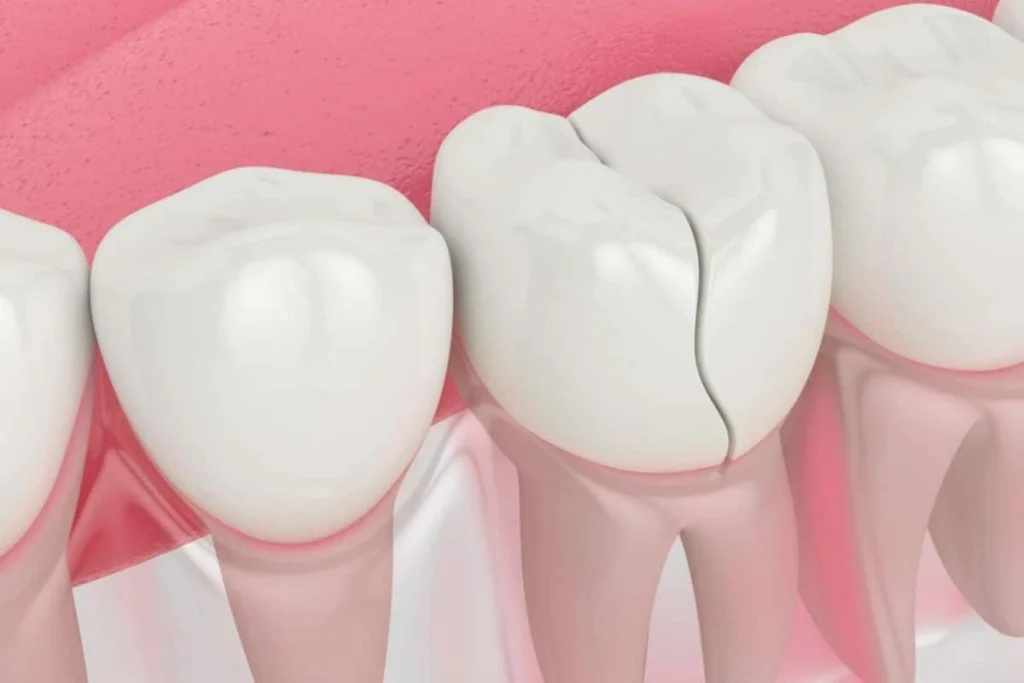
Cracking a tooth can feel like a sudden betrayal—one moment you’re enjoying your day, and the next a sharp snap sends pain radiating through your jaw. Knowing exactly what to do in those first critical minutes can save your smile and prevent further damage. From simple at-home steps to temporary repairs that keep discomfort at bay, this guide walks you through every urgent action you need, plus clear signals for when it’s time to call in the professionals.
When a cracked tooth emergency occurs, swift action can mean the difference between saving and losing the tooth. Begin with these urgent, clear steps that are both actionable and safe:
- Rinse your mouth gently with warm water to remove debris.
- Apply sterile gauze to control any bleeding and maintain pressure.
- Hold a cold compress against your cheek to reduce swelling and alleviate pain.
- Avoid chewing on the injured side to prevent further damage.
- Take over-the-counter pain medication to manage discomfort.
These initial measures not only help you stay calm in a dental trauma response but also protect exposed dentin and minimise the risk of infection.
What Items Should I Gather for a Temporary Repair?
Having a small at-home dental emergency kit can be invaluable. Assemble the following supplies so you’re prepared for a fractured cusp or enamel fracture care situation:
- Warm saline rinse: Cleans the site and lowers bacterial load.
- Sterile gauze or paper towel: Controls oral bleeding effectively.
- Cold pack (ice wrapped in cloth): Minimises swelling and numbs pain.
- Dental wax or orthodontic relief wax: Covers sharp edges until professional care.
- Temporary filling material: Seals the crack surface temporarily.
- Soft-bristled toothbrush & mild mouthwash: Facilitates gentle oral hygiene.
By keeping these items on hand, you can provide temporary dental repair that alleviates sensitivity and protects the tooth until you see your dentist.
What Are the Different Types of Tooth Cracks and Their Severity?
Not all fractures are equal. Understanding the difference between a craze line and a pulp-exposing break helps you decide how quickly to seek an emergency dental care appointment.
| Type of Crack | Description | Severity | Recommended Action |
| Craze lines | Fine enamel surface cracks | Low | Monitor sensitivity; routine dental check |
| Cusp fracture | The corner or pointed portion of the tooth is broken | Medium | Rinse, apply dental wax; dentist within 24 hours |
| Class I fracture | Enamel only | Low–Medium | Rinse; avoid hard foods; non-urgent dental visit |
| Class II fracture | Enamel and dentin affected | Medium–High | Rinse, pain relief, urgent dental appointment |
| Class III fracture | Pulp exposure | High | Control bleeding; emergency dental care |
This table clarifies whether your tooth enamel crack requires immediate intervention or can wait for a scheduled visit.
How Can I Control Pain and Swelling Safely?
Effective dental pain alleviation without causing further damage involves a combination of approaches:
- Cold compresses: Apply intermittently for 10 minutes on, 10 minutes off.
- Over-the-counter pain medications: to reduce inflammation.
- Head elevation: Keeps blood draining away from the injury site.
- Soft diet: Soups, yogurts and mashed vegetables to minimise chewing stress.
Avoid applying heat, as it can increase blood flow and exacerbate swelling.
When Is It Crucial to Seek Immediate Dental Assistance?
Certain signs indicate that your cracked tooth has progressed beyond a simple enamel issue into a severe dental trauma scenario. Seek urgent dental care if you experience:
- Severe, unrelenting pain despite Over-the-counter pain medications.
- Visible tooth fragment that has broken off.
- Bleeding that won’t stop after 10 minutes of pressure.
- Numbness in the lip, cheek or tongue.
- Facial swelling or fever, signalling possible infection.
These symptoms suggest that the pulp or root may be involved, requiring prompt professional attention.
What Are the Do’s and Don’ts After Cracking a Tooth?
Following clear guidelines helps prevent further damage and promotes healing:
Do’s
- Eat soft, non-sticky foods such as mashed potatoes or smoothies.
- Keep your head elevated when lying down.
- Continue gentle oral hygiene with a soft brush and mild mouthwash.
Don’ts
- Bite or chew with the injured tooth.
- Apply heat directly to the face.
- Ignore persistent pain or sensitivity.
Adhering to these instructions ensures you do not exacerbate the fracture or introduce infection.
What Research Supports These Emergency Steps?
- The Australian Dental Association emphasises that immediate rinsing and pressure dressings reduce the risk of bacterial contamination and pulp exposure [1].
- Healthdirect Australia confirms that cold therapy and over-the-counter pain relief can significantly alleviate discomfort until professional care is obtained [2].
These reputable sources validate the professional, reassuring approach you should take when faced with a cracked tooth.
How Can Women in Dentistry Help You Through a Cracked Tooth Emergency?
At Women in Dentistry, our experienced team understands that a fractured tooth first aid scenario is stressful. We offer:
- Rapid-response consultations tailored for busy women, ensuring you receive care without delay.
- Compassionate guidance on temporary dental repairs so you feel supported every step of the way.
- Advanced treatment options, ranging from adhesive bonding to root canal therapy, are delivered in a calm and reassuring environment.
Trust Women in Dentistry to transform your emergency visit into a seamless experience that prioritises your comfort and dental health.
References
- Australian Dental Association. “Cracked or Chipped Teeth.” ADA, https://www.ada.org.au/Your-Dental-Health/Teething-Emergencies/Cracked-or-Chipped-Teeth
- Healthdirect Australia. “Broken, Knocked-Out or Loose Teeth.” Healthdirect, https://www.healthdirect.gov.au/broken-or-knocked-out-tooth
Frequently Asked Questions
- What should I do if a large piece of my tooth breaks off?
Apply gentle pressure with gauze to control bleeding, collect the fragment if possible, and see a dentist within 24 hours for possible reattachment or restoration. - Can I use dental wax instead of a temporary filling kit?
Yes. Dental wax can cover sharp edges, but a temporary filling kit provides better protection and seals cracks more effectively until you receive professional care. - How long can I wait before seeing a dentist for a cracked tooth?
Minor craze lines may wait for your next routine check-up, but fractures exposing dentin or pulp require an appointment within 24 hours to prevent infection or pulp necrosis. - Are there any foods I should avoid after cracking a tooth?
Stay away from hard, crunchy, sticky or extremely hot or cold foods that can aggravate sensitivity and exacerbate the fracture. - Will a cracked tooth always require a root canal?
Not always. Treatment depends on the severity: superficial enamel cracks may only need bonding, while deep pulp involvement often necessitates root canal therapy. - How can I prevent future tooth fractures?
Use a custom mouthguard during sports, avoid chewing hard objects like ice or pen caps, and maintain regular dental check-ups to monitor enamel health.





