
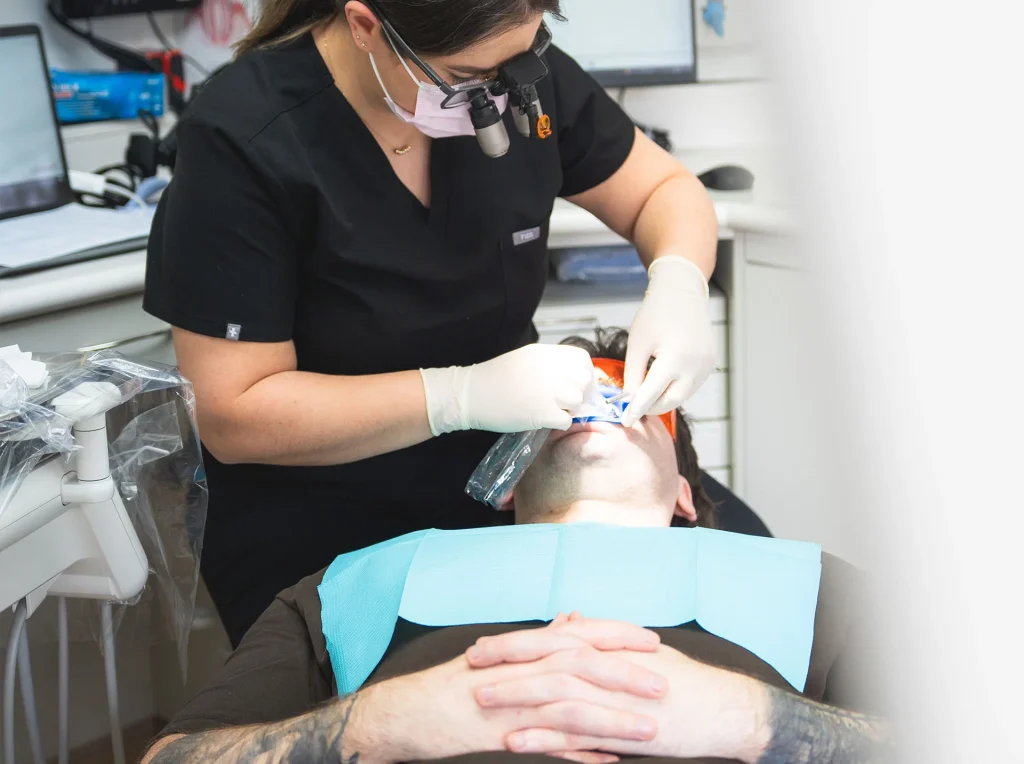
Dental implants are a popular procedure that helps people regain confidence and improve the functionality and appearance of their teeth. However, not everyone is immediately suitable for dental implants. Dentists first assess your oral health and bone density to determine if an implant can be supported and last long-term. If your jaw doesn’t have enough strong bone to support an implant, your dentist might recommend bone grafting to enhance stability and increase the chance of success. The most common reason for bone grafting is not having enough bone available for the implant.
In this blog, we discuss why you might need bone grafting, what the process involves, and its benefits. Let’s get started.
Reasons Why Bone Grafting Is Necessary Before Implants
Dentists perform bone grafting before dental implants to ensure the jawbone can securely support them. Bone grafting allows your dentist Melbourne CBD to regenerate bone that may have been lost because of tooth extraction, gum disease, or dental trauma. This creates a solid foundation for the implants to fuse with the jaw, helping prevent implant failure.
Bone Grafting Procedure
- Your dentist begins the bone grafting procedure with a consultation and a tailored treatment plan. They will review images, like X-rays and CT scans, to check your gum and tooth condition and design your treatment accordingly.
- Once your plan is ready, the dentist numbs the treatment area with local anesthesia, making sure you stay comfortable and pain-free throughout the procedure.
- After numbing the area, the dentist makes a small incision in your gum tissue to expose the bone. They then carefully place the grafting material into the area of bone loss. If you’re having a tooth removed, they place the graft directly into the socket. A protective membrane is positioned over the graft, and your dentist closes the gum tissue with sutures.
- Healing begins after this procedure and takes several months. During this time, the graft material integrates with your natural bone.
- Post-operative care is vital for successful healing. Your dentist will advise you on proper care, which usually includes a soft-food diet, gentle rinsing, and regular cleaning. Make sure to schedule follow-up visits so your dentist can monitor the healing process.
Bone Grafting Cost in Melbourne
The cost of bone grafting varies based on the procedure’s complexity, the type of graft material used (synthetic, animal-derived, human donor, or your own bone), and the dentist’s experience. More complex procedures handled by highly experienced dentists tend to cost more. It’s best to get a personalized estimate from your dentist Melbourne. For reference, bone grafting in Melbourne usually ranges from $2,000 to $3,500, but in complex cases, it can exceed $10,000.
Book Your Consultation Today
Bone grafting is an essential step for successful dental implants. It helps produce better results and provides a strong foundation for your implant. If you’re looking for a reliable bone grafting or dental implants solution, trust Women in Dentistry, where our experienced dentists can help restore your confidence and comfort. Contact us today to consult with a trusted implant dentist.
Frequently Asked Questions
Why is bone grafting required before dental implants?
If you’ve had missing teeth for a long time, gum disease, or bone loss due to injury, your jaw may not have enough density to support an implant. This can prevent osseointegration (the process where the implant fuses with the jawbone). Bone grafting adds material to the jaw and strengthens it so you can receive dental implants.
Is bone grafting painful?
Many patients are concerned about pain. Thanks to local anesthesia, bone grafting is comfortable and painless during the procedure. Your dentist numbs the area beforehand, so you shouldn’t feel pain. You may experience mild soreness or swelling afterward, but your dentist will prescribe medication to manage any discomfort.
How long does it take to heal after bone grafting?
Healing time depends on the size of the graft and your body’s natural healing ability. Generally, it takes around 3-6 months for the graft to fully integrate and for your jaw to be ready for implant placement.





