
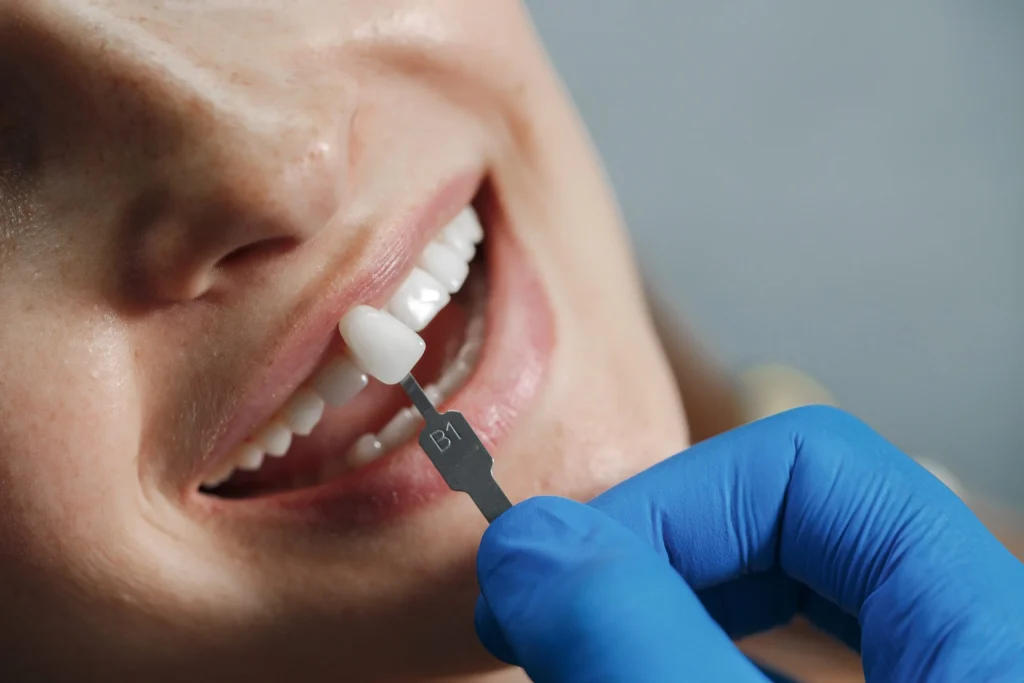
Dental implants are one of the most advanced solutions for replacing missing teeth, offering unparalleled durability and aesthetics. In recent years, the dental industry has made significant progress in providing long-term solutions to individuals struggling with tooth loss. If you’ve lost a tooth or multiple teeth and are wondering if it could be the right option for you, this article will guide you through the process and help you determine if you are a good candidate for dental implants.
What are Dental Implants?
They are titanium posts that are surgically inserted into the jawbone, acting as a replacement for the roots of missing teeth. These implants provide a solid foundation for fixed or removable artificial teeth that are designed to look, feel, and function like natural teeth. Over the last 30 years, the technology surrounding dental implants has improved significantly, and they have become the gold standard for tooth replacement.
Unlike dentures or bridges, it is a permanent solution. They provide an excellent long-term solution for people suffering from missing teeth, offering both strength and aesthetics. The implant process involves osseointegration, where the titanium implant fuses with the jawbone, creating a durable and stable base for your new teeth. Studies show that they have a 98% success rate in healthy individuals, with a 95% survival rate after 10 years.
How Do Natural Teeth and Dental Implants Differ?
Natural teeth and dental implants serve the same function but are supported in different ways. Natural teeth are anchored by ligaments (the periodontal ligament) that attach the roots to the gum and jawbone, allowing for slight movement. This movement helps in the shock absorption during chewing. However, dental implants are fixed firmly in place, providing a strong and permanent bond with the jawbone through the process of osseointegration. Unlike natural teeth, implants do not have any movement and are much more stable. In some cases, implants can withstand greater bite pressures than natural teeth, making them a more durable option.
Why is It Important to Fix a Missing Tooth?
Replacing a missing tooth is not only essential for aesthetics but also for your overall health. Missing teeth can cause a variety of issues, including:
- Change in Facial Structure: Missing teeth can lead to changes in your facial structure. When a tooth is lost, the surrounding teeth begin to shift into the empty space, causing the shape of your face to alter. This can result in a sunken appearance, thinning lips, and an increase in fine lines and wrinkles around the mouth.
- Loss of Jaw Bone: When a tooth is lost, the jawbone in the area no longer receives the same stimulation as it did when the tooth was in place. This leads to bone resorption, where the bone mass deteriorates over time. Bone loss can make future dental implant placement more difficult and may result in a less stable base for implants.
- The Domino Effect: Missing teeth can trigger a chain reaction in the mouth. Adjacent teeth may begin to shift and tilt into the empty space, affecting the bite and creating gaps between teeth. This can lead to food trapping and plaque buildup, increasing the risk of cavities and gum disease.
- Nutritional Effects: Missing teeth can affect your ability to chew food properly. This may result in inadequate digestion and nutrient absorption, which can lead to malnutrition. Proper chewing is essential for breaking down food and preparing it for digestion.
- Speech Problems: Missing teeth, especially those towards the front of the mouth, can affect the pronunciation of certain words, causing speech problems. This can lead to social anxiety and impact an individual’s confidence.
- Psychological Effects: The loss of teeth can significantly impact self-esteem. Many people feel self-conscious about their appearance when they have missing teeth, which can lead to social withdrawal and reduced quality of life.
Are You a Good Candidate for Dental Implants?
Determining whether you are a good candidate for dental implants involves assessing several factors, including your overall health, bone structure, and oral hygiene. The following criteria are essential when evaluating your candidacy for implants:
- General Health
You must be in good overall health to undergo the surgical procedure. Conditions such as diabetes or autoimmune diseases can interfere with the healing process. It is essential that you inform your dentist of any existing medical conditions.
- Bone Health
A healthy jawbone is crucial for the success of dental implants. The bone must be dense and thick enough to support the titanium post. If you have experienced significant bone loss, a bone graft may be necessary to rebuild the area before an implant can be placed. The process of bone grafting can take several months before implants can be inserted.
- Gum Health
Your gums must be healthy and free from gum disease. Gum disease can lead to implant failure, so it is vital to treat any gum infections before proceeding with dental implants.
- Lifestyle Factors
Certain lifestyle factors, such as smoking, can affect the success of dental implants. Smoking restricts blood flow, which can delay healing and increase the risk of infection. Non-smokers are generally better candidates for dental implants as they experience faster healing and fewer complications.
- Age
While there is no upper age limit for dental implants, candidates must be at least 18 years old, as the jawbone is still developing in younger individuals.
- Dental Health
It’s important that the surrounding teeth are in good condition. If there are any existing dental issues, such as cavities or decay, these need to be treated before dental implants are considered.
The Process of Getting Dental Implants
The dental implant process involves multiple stages, including:
- Initial Consultation and Assessment: Your dentist will conduct a thorough examination of your teeth and gums. They may take X-rays or CT scans to assess the bone quality and determine the ideal position for the implant. A comprehensive medical history will also be taken to ensure there are no underlying conditions that could affect the procedure.
- Tooth Removal (if necessary): If a tooth cannot be saved, it will be extracted to make way for the implant. After tooth extraction, the area is left to heal for a few months.
- Bone Grafting (if necessary): If there is insufficient bone to support the implant, a bone graft may be required. This can take several months to heal, after which the implant can be placed.
- Implant Placement: The titanium implant is surgically inserted into the jawbone. Over time, the implant will fuse with the bone, a process called osseointegration.
- Healing and Osseointegration: The healing process can take between 3 to 6 months, depending on the quality of your bone and overall health. During this time, the bone integrates with the implant, providing a solid foundation for the new tooth.
- Restorative Phase: Once the implant is fully integrated with the bone, a crown or bridge is placed on top. The artificial tooth is customised to match your natural teeth in size, shape, and colour.
Post-Operative Care
After your dental implant procedure, your dentist will provide specific instructions to ensure proper healing. These may include:
- Taking prescribed pain medications and antibiotics.
- Avoiding hard or crunchy foods during the initial healing phase.
- Practising good oral hygiene to prevent infection.
- Attending follow-up appointments to ensure the implant is healing properly.
What Are the Benefits of Dental Implants?
Dental implants offer numerous benefits over other tooth replacement options, including:
| Benefit | Explanation |
| Durability | Implants are stronger than natural teeth in some cases and provide a long-lasting solution. |
| Aesthetic Appeal | Implants look and feel like natural teeth, enhancing your smile and facial appearance. |
| Jawbone Preservation | Implants help preserve the jawbone, preventing bone resorption that occurs with missing teeth. |
| Improved Functionality | Dental implants restore full chewing and speaking ability, unlike dentures or bridges. |
| No Impact on Adjacent Teeth | Implants don’t require altering adjacent teeth, unlike bridges, preserving their natural structure. |
Are Dental Implants Safe?
Dental implants have been used successfully for over three decades, with a high success rate of 98%. However, as with any surgery, there are risks involved, including infection, nerve damage, and implant failure. It is essential to consult with an experienced dental professional to ensure the procedure is right for you.
Women in Dentistry
If you’re considering dental implants, it’s essential to choose a trusted provider with extensive experience in implantology. At Women in Dentistry, we offer dental implants at our Melbourne CBD clinic, tailored to your needs., ensuring the best outcomes for your dental health. Our team is committed to providing personalised care that makes you feel comfortable and confident throughout the process.
References
- Australian Dental Association – Dental Implants (https://www.ada.org.au)
- Journal of Clinical Implant Dentistry and Related Research – Long-term Success of dental implants (https://www.journals.elsevier.com/journal-of-clinical-implant-dentistry)
Frequently Asked Questions (FAQs)
- How long do dental implants last?
Dental implants can last for decades with proper care. On average, they last between 20 to 30 years, depending on factors like oral hygiene and lifestyle. - Are dental implants painful?
Most patients experience minimal discomfort during the procedure, as local anaesthesia is used. Post-operative pain is manageable with prescribed medications. - Can dental implants fail?
While the success rate is high, it can fail due to infection, insufficient bone density, or poor aftercare. Proper planning and care significantly reduce the risk of failure. - How long does the dental implant process take?
The entire process can take several months, as it involves healing time for osseointegration. On average, it takes 6 to 9 months to complete the procedure. - Will insurance cover dental implants?
Dental insurance coverage for implants varies. Some plans offer partial coverage, while others may not cover implants at all. It’s best to check with your provider for specific details. - Can I eat normally with dental implants?
Yes, once your implant has fully integrated with the jawbone, you can eat a wide range of foods just like with natural teeth.





