
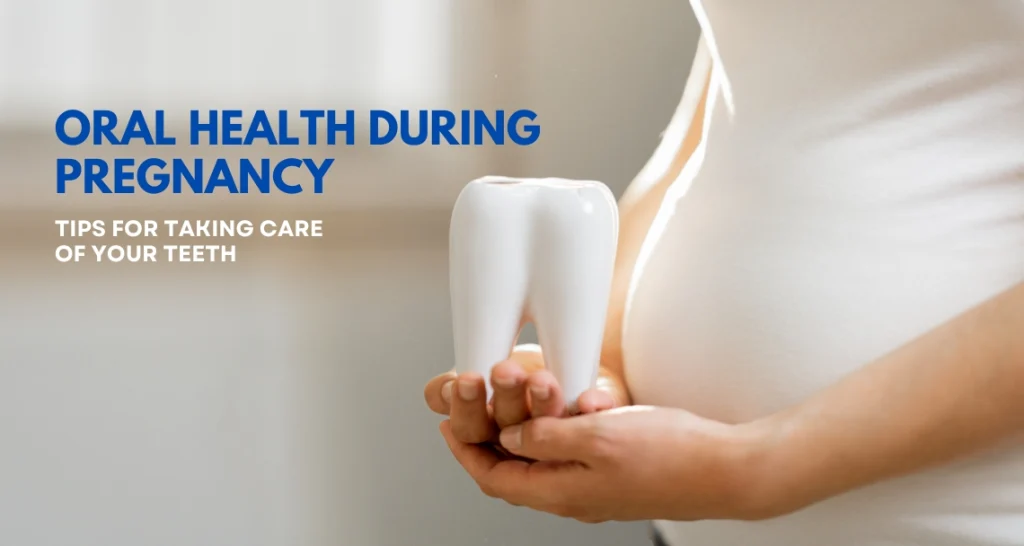
Pregnancy is a time of transformation — not only for your body but also for your oral health. While many expectant mothers focus on prenatal vitamins, balanced meals, and regular medical check-ups, the mouth is often overlooked. However, research continues to reveal that what’s happening in your mouth can influence what’s happening in your womb. From hormonal changes that increase your risk of gum disease to emerging studies linking oral inflammation with preterm birth, your mouth plays a much bigger role in pregnancy than you might think.
This article explores the powerful connection between oral health and pregnancy, highlighting what every mum-to-be needs to know — and why prioritising your dental care is an essential part of prenatal health.
What Happens to Your Oral Health During Pregnancy?
Pregnancy triggers a cascade of hormonal changes, particularly increased levels of progesterone and oestrogen. These hormonal shifts impact the gums and soft tissues in the mouth, making them more sensitive and prone to inflammation, swelling, and bleeding. This condition, known as pregnancy gingivitis, affects a significant number of pregnant women and can develop as early as the first trimester.
Beyond gum inflammation, the oral environment becomes more vulnerable to plaque build-up, cavities, and even enamel erosion due to morning sickness. Left untreated, these conditions can escalate into periodontitis — a more severe gum infection that has been associated with adverse pregnancy outcomes such as preterm birth and low birth weight.
When Is It Safe to Visit the Dentist While Pregnant?
Dental visits are not only safe during pregnancy, but they are also encouraged. Most routine care, including exams, professional cleaning, and necessary fillings, is best scheduled during the second trimester, when it’s safest and most comfortable for both the mother and baby.
Best Times for Dental Treatment During Pregnancy
| Trimester | Recommended Care | Precautions |
| First Trimester | Emergency care only if needed | Avoid elective procedures |
| Second Trimester | Best time for routine dental work | Safest period for cleans and fillings |
| Third Trimester | Limited care due to discomfort lying down | Avoid long appointments |
What Are the Most Common Oral Conditions in Pregnancy?
Pregnancy can increase the risk of several oral conditions. Understanding these can help expectant mothers take proactive steps toward prevention and early treatment.
Oral Conditions Common in Pregnancy
| Condition | Description | Risk Factors |
| Pregnancy Gingivitis | Gum inflammation due to hormonal changes | Poor oral hygiene, hormonal shifts |
| Periodontitis | Advanced gum disease linked to preterm birth | Untreated gingivitis |
| Pyogenic Granuloma | Benign “pregnancy tumour” on gums | Hormonal changes, plaque build-up |
| Enamel Erosion | From morning sickness/vomiting acid | Frequent nausea and vomiting |
| Dry Mouth (Xerostomia) | Reduced saliva production, increasing decay risk | Hormonal fluctuations, dehydration |
Can Poor Oral Health Affect the Baby?
Yes — and in more ways than one might expect. Emerging research has drawn connections between maternal gum disease and pregnancy complications, including low birth weight, pre-eclampsia, and preterm delivery. Bacteria from the mouth can enter the bloodstream, potentially triggering inflammation in other parts of the body, including the uterus.
The oral microbiome, particularly when disrupted by plaque and infection, may also influence the baby’s early exposure to bacteria, affecting their future oral and systemic health.
Potential Pregnancy Complications Linked to Poor Oral Health
| Oral Condition | Associated Pregnancy Risk |
| Gum disease | Preterm birth, low birth weight |
| Untreated decay | Dental abscesses, systemic infection |
| Periodontitis | Inflammatory markers affecting the placenta |
| Enamel erosion | Tooth sensitivity, higher decay risk |
What Are the Signs That Oral Health Needs Attention During Pregnancy?
Being aware of the early signs of oral health issues can prevent more serious conditions from developing. Pregnant women should be particularly alert to:
Warning Signs to Watch For:
- Bleeding or swollen gums
- Persistent bad breath
- Loose teeth
- Red or tender gum tissue
- Toothache or sensitivity
- Presence of pus between the teeth and gums
These symptoms could indicate developing gingivitis or periodontitis, and it’s important to seek professional dental care as soon as they arise.
How Can Expectant Mothers Maintain a Healthy Mouth?
Maintaining a healthy mouth during pregnancy requires a combination of good oral hygiene practices, professional dental care, and lifestyle modifications.
Oral Health Tips for Expectant Mothers:
- Brush twice daily with fluoride toothpaste
- Floss daily to remove plaque between teeth
- Use an alcohol-free mouth rinse if recommended
- Avoid sugary snacks and acidic drinks
- Stay hydrated to combat dry mouth
- Rinse with water (not brush) immediately after vomiting
- Schedule a dental check-up in the second trimester
- Inform your dentist of your pregnancy and any medications
These simple but effective habits can help reduce the risk of complications and keep both mum and baby healthier throughout the pregnancy.
Why Is Oral Health Education Important for Mums-to-Be?
A mother’s oral health sets the stage for her baby’s future health. Infants can acquire harmful bacteria from their caregivers, especially during the feeding and teething stages. Educating expectant mothers about the importance of dental care not only supports their current health but also builds awareness of the long-term benefits of early oral care for children.
Why Choose Women in Dentistry for Your Prenatal Oral Health?
At Women in Dentistry, we understand that pregnancy is both exciting and overwhelming, and we’re here to make your oral health one less thing to worry about. Our clinic is dedicated to supporting women at every stage of life, including expectant mums.
Our team provides gentle, informed, and tailored dental care with an understanding of the unique changes pregnancy brings. From safe, thorough cleans to gum assessments and personalised advice, we make sure your mouth stays as healthy as the rest of your body. Our comfortable, patient-first environment ensures that you feel supported and empowered, because your health and your baby’s deserve nothing less.
References
- Australian Dental Association. “Dental care during pregnancy.” https://www.ada.org.au
- Pregnancy Birth and Baby (Australian Government). “Dental health during pregnancy.” https://www.pregnancybirthbaby.org.au/dental-health-during-pregnancy
- Better Health Channel, Victoria State Government. “Pregnancy and teeth.” https://www.betterhealth.vic.gov.au
- The Royal Women’s Hospital. “Pregnancy and Dental Health.” https://www.thewomens.org.au
Frequently Asked Questions (FAQs)
- Is it safe to get a dental x-ray while pregnant?
Yes, dental x-rays are safe during pregnancy when proper shielding is used. However, most non-urgent x-rays are postponed until after birth unless absolutely necessary. - Can gum disease really affect my baby’s health?
Yes, gum disease has been linked to complications such as premature birth and low birth weight. Inflammation in the mouth can influence systemic health during pregnancy. - When should I see the dentist during pregnancy?
The second trimester is generally considered the safest time for dental check-ups and treatment. However, you should visit your dentist as soon as any symptoms arise. - What causes pregnancy gingivitis?
Hormonal changes increase blood flow to gum tissues, making them more sensitive to plaque and more prone to inflammation and bleeding. - Is it normal for gums to bleed during pregnancy?
Some bleeding can occur due to increased sensitivity, but it should not be ignored. Bleeding gums may be an early sign of gingivitis. - Can I delay dental treatment until after my baby is born?
It’s best not to delay treatment, especially if you’re experiencing pain, infection, or gum issues. Untreated dental conditions can worsen and impact your overall health and pregnancy.





