
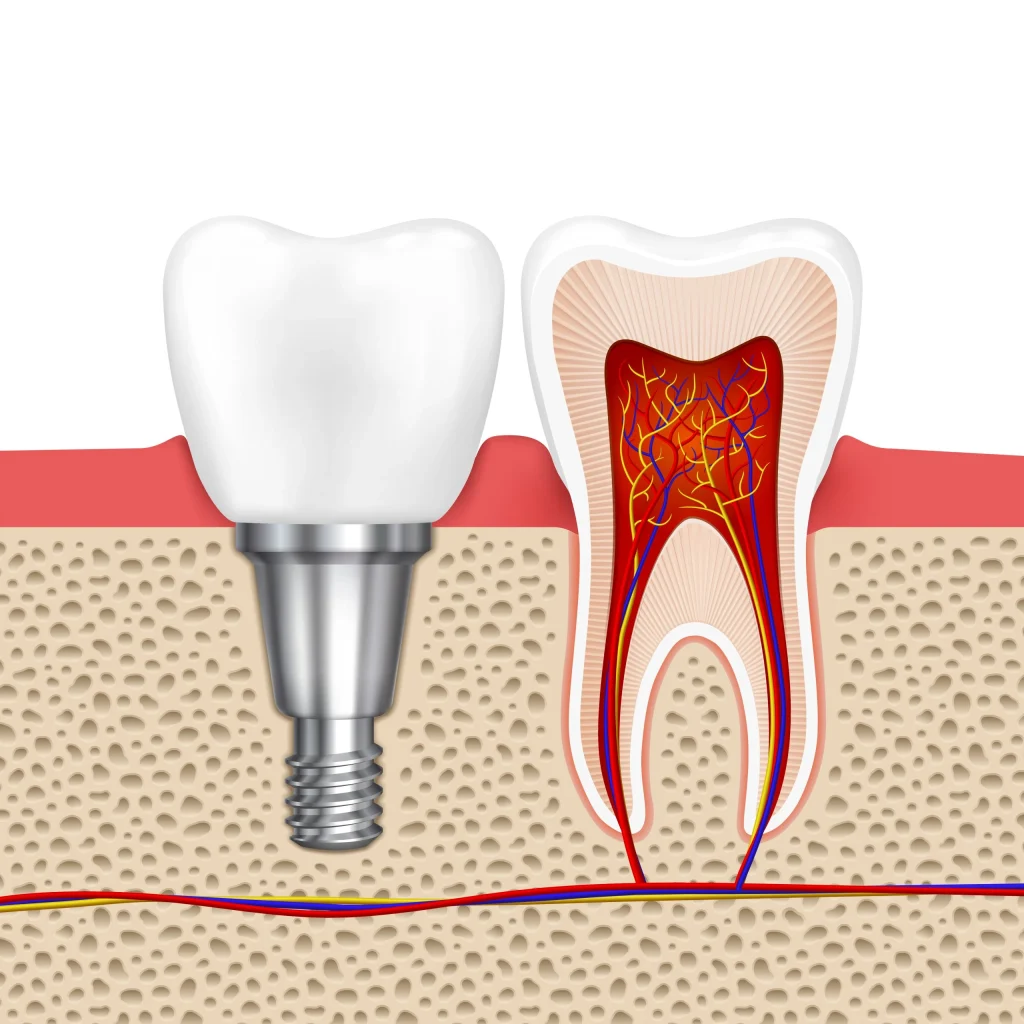
Root canal treatments is one of the most misunderstood procedures in dentistry, often shrouded in myths and misconceptions. For many people, the very thought of having a root canal causes fear and anxiety. However, understanding the reality of root canal therapy can help you make an informed decision about your dental health. In this article, we will debunk five common myths about root canals and explain why this procedure might be the best option to preserve your natural teeth.
- Are Root Canals Extremely Painful?
Misconception: One of the most common myths surrounding root canal treatment is that it is an incredibly painful procedure. This idea has been passed down through generations, leaving many people with a fear of dental treatment.
Reality: Thanks to modern advancements in dental technology and anaesthesia, root canal treatments are typically pain-free. In fact, most patients experience little to no discomfort during the procedure. The pain that people often associate with root canals is actually the pain from the infected tooth before treatment. Root canal therapy is designed to eliminate this infection and relieve the pain, not cause it.
The procedure involves removing the infected tissue from the inside of the tooth and sealing it, ensuring that the infection does not spread. A local anaesthetic is used to numb the area, and in most cases, patients report feeling no pain during the process. Post-procedure, any discomfort can usually be managed with over-the-counter pain relief and typically subsides within a few days.
- Can Root Canals Cause Health Problems?
Misconception: Another widespread myth is that root canal treatments can cause serious health problems, such as infections or systemic diseases. Some people even believe that having a root canal could lead to chronic health issues elsewhere in the body.
Reality: Research has shown that root canals do not cause health problems; in fact, they can prevent them. When a tooth becomes infected, the infection can spread to the surrounding tissue and even enter the bloodstream, leading to more severe complications. Root canal therapy removes this infected tissue, stopping the infection from spreading and protecting your overall health.
A study published in the Journal of Endodontics confirmed that root canal treatments are safe and effective for preserving natural teeth, and there is no evidence linking them to systemic diseases like heart disease or cancer. It’s important to note that a properly performed root canal can save your tooth and improve your oral health.
- Will a Root Canal Lead to Tooth Loss?
Misconception: Many people mistakenly believe that after a root canal, the tooth will eventually fall out or need to be removed altogether. The misconception here is that a root canal is a temporary fix and that the treated tooth will not last.
Reality: Root canal therapy is designed to preserve a natural tooth. When performed correctly, it can help maintain the tooth for many years, even decades. A root canal removes the infected pulp (the soft tissue inside the tooth), but the tooth itself remains intact, and the surrounding bone structure stays healthy.
Following the root canal, the tooth may need a dental crown to restore its function and appearance, but with proper care, it can remain a viable part of your smile. If left untreated, however, the infection can worsen, leading to tooth loss. Root canal therapy not only saves the tooth but also prevents the need for extraction and replacement with an artificial tooth.
- Is a Root Canal Only Necessary for Severe Pain?
Misconception: Many people think that a root canal is only needed when they experience excruciating pain in a tooth. While it is true that one of the primary reasons for a root canal is to address pain from an infected tooth, it is not the only reason.
Reality: A root canal is often necessary even when there is no pain. The infection within the tooth may not always cause visible symptoms like pain or swelling, but it can still cause significant damage if left untreated. For example, an untreated infection can spread to the surrounding bone and lead to an abscess.
Other signs that you may need a root canal include prolonged sensitivity to hot or cold, darkening of the tooth, or tenderness when chewing. Even if you’re not experiencing pain, it’s important to have your dentist examine your tooth if there are any signs of infection.
- Are Root Canal Treatments Too Expensive?
Misconception: Some people avoid root canal treatments because they think they are too expensive. They may believe that the cost of the procedure outweighs the benefit of saving the tooth, opting instead for tooth extraction or other alternatives.
Reality: While the cost of root canal therapy can vary, it is generally more affordable than the cost of tooth extraction and replacement with a dental implant or bridge. A root canal allows you to preserve your natural tooth, which can save you money in the long run by avoiding the need for more complex procedures later on.
Additionally, many dental insurance plans cover the cost of root canal treatments, and payment plans or financing options may be available to make the treatment more accessible. Choosing a root canal to preserve your tooth can help you avoid the expense of tooth replacement and maintain your oral health for years to come.
Research and References
Numerous studies have backed up the effectiveness and safety of root canal therapy, making it a reliable treatment option for infected teeth. According to the Australian Dental Association (ADA), a root canal is an effective way to treat an infected tooth and avoid extraction. The ADA also emphasises the importance of early intervention to prevent the need for more invasive treatments.
Furthermore, a 2015 study published in Oral Surgery, Oral Medicine, Oral Pathology, Oral Radiology showed that root canal therapy can have a success rate of up to 95%, especially when performed by an experienced endodontist.
For more details, you can visit the Australian Dental Association website, which provides further insights into root canal treatments and other dental care information.
Women in Dentistry: Empowering Your Smile
At Women in Dentistry, we are committed to providing compassionate and expert dental care. We understand that many dental procedures can be overwhelming, which is why we aim to make your experience as comfortable and informative as possible. Whether you’re considering a root canal or another treatment, our team is here to guide you through every step of the process.
With a focus on education and a dedication to patient care, Women in Dentistry is proud to offer comprehensive dental services. Our team includes some of the best professionals in the industry, ensuring that you receive top-notch care every time you visit. Don’t let misconceptions about dental procedures stop you from seeking the treatment you need. Contact us today to book an appointment and experience dental care that prioritises your comfort and health.
References:
- Journal of Endodontics (2015), Root Canal Therapy: A Safe, Effective, and Reliable Treatment. Available at Journal of Endodontics.
- Australian Dental Association (ADA), Root Canal Treatment Information. Available at Australian Dental Association.
FAQs about Root Canal Treatment
- What are the signs that I need a root canal?
Common signs include severe tooth pain, prolonged sensitivity to hot or cold, swelling or tenderness in the gums, and darkening of the tooth. - Is a root canal safe?
Yes, root canal therapy is a safe procedure that has been used for decades to treat infected teeth and preserve them for long-term use. - How long does it take to recover from a root canal?
Most patients experience minimal discomfort after the procedure and recover within a few days. Any discomfort can be managed with over-the-counter pain relief. - Can I drive myself home after a root canal?
Since local anaesthesia is used during the procedure, you should be able to drive yourself home. However, if you are anxious or undergoing sedation, it’s a good idea to have someone accompany you. - How much does a root canal cost in the UK?
The cost of a root canal can vary depending on the tooth being treated and the complexity of the procedure. On average, it can cost between $200 and $1000, but many dental insurance plans will cover a portion of the cost. - Can a root canal fail?
While rare, a root canal can fail if the infection recurs or if the tooth is not sealed properly. It’s essential to follow your dentist’s aftercare instructions to ensure the procedure’s success.





