
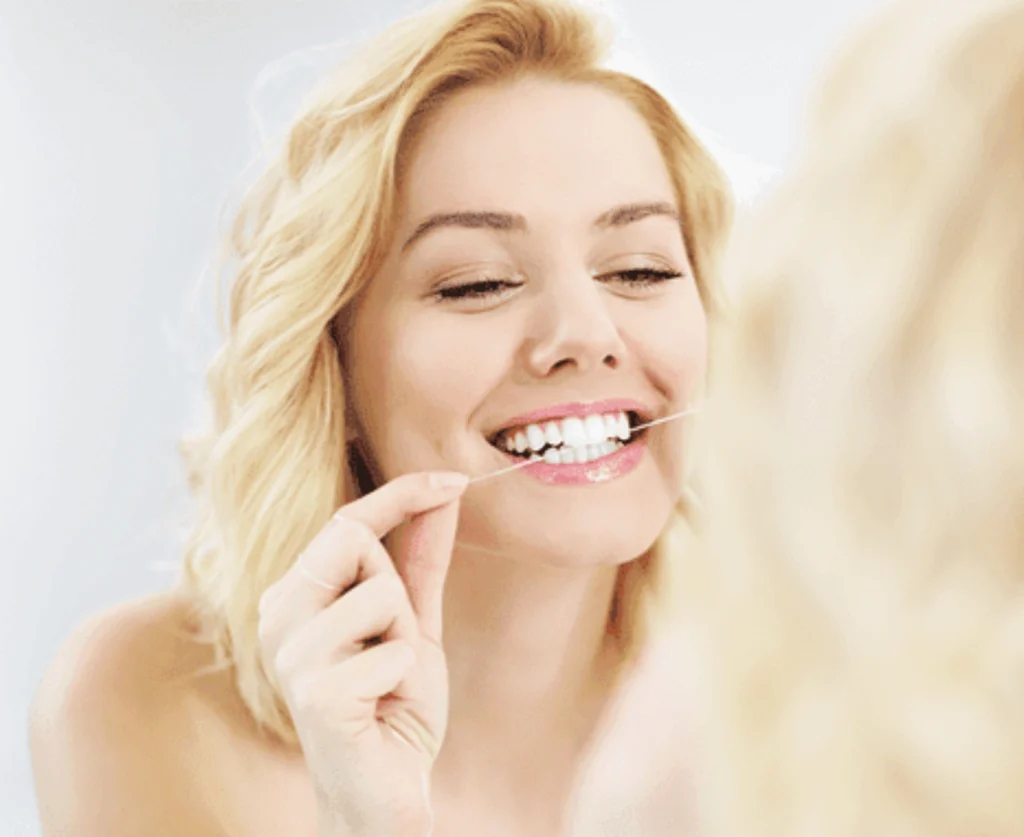
Teeth whitening is a popular cosmetic dental treatment that offers quick and noticeable results, giving you a brighter, more confident smile. However, maintaining that whiter smile requires care and commitment. In this guide, we’ll provide comprehensive post-whitening care tips to help prolong your results. This article covers everything you need to know from dietary adjustments to oral hygiene practices and touch-up treatments.
What foods and drinks should you avoid to maintain your white smile?
After a teeth whitening treatment, your teeth are more porous, making them more susceptible to stains. Avoiding certain foods and beverages during this critical period is essential for long-lasting results.
Foods and Drinks to Avoid Post-Whitening
- Coffee and Tea: These beverages are rich in tannins that stain teeth.
- Red Wine: A leading culprit of tooth discolouration.
- Dark Sodas: Contain both colourants and acids that can harm your enamel.
- Berries: Blueberries, blackberries, and similar fruits can leave stains.
- Tomato-Based Sauces: Highly pigmented sauces like marinara can stain.
- Beetroot: Its vibrant colour can cause noticeable stains.
- Energy Drinks: Often acidic and dyed with artificial colours.
Tip: If you can’t give up your morning coffee or tea, use a straw to minimise contact with your teeth and rinse your mouth with water immediately after drinking.
What oral hygiene practices keep your smile brighter?
Maintaining a consistent and thorough oral hygiene routine is key to brightening your smile. Teeth whitening is only the first step; daily care ensures those results last.
Oral Hygiene Practices for Whiter Teeth
- Brush Twice Daily:
- Use a dentist-recommended whitening toothpaste with low abrasiveness.
- Opt for a soft-bristle toothbrush or an electric alternative to protect your enamel.
- Floss Regularly:
- Prevent plaque build-up between teeth, which can cause discolouration.
- Whitening floss can add an extra layer of care.
- Rinse with Mouthwash:
- Use a non-alcoholic whitening mouthwash to protect enamel and reduce surface stains.
- Hydrate Often:
- Drinking water after meals helps rinse away stain-causing particles.
- Schedule Regular Cleanings:
- Professional cleanings remove tartar and polish your teeth for a brighter appearance.
What are the best products for post-whitening care?
Using the right dental products is crucial for maintaining the integrity of your enamel while keeping your teeth stain-free. Here’s a guide to some of the best post-whitening care products:
Table: Post-Whitening Care Products
| Product Type | Recommended Features | Examples |
| Whitening Toothpaste | Low abrasiveness, fluoride-enriched | Sensodyne True White, Colgate Optic White |
| Mouthwash | Alcohol-free, whitening formula | Listerine Healthy White, Crest 3D White |
| Touch-Up Whitening Kits | Convenient, non-abrasive, easy-to-use | Opalescence Go, Crest Whitening Strips |
| Toothbrush | Soft bristle, electric options for efficiency | Oral-B Pro Series, Philips Sonicare |
| Floss | Whitening or plaque-fighting properties | Glide Whitening Floss, Cocofloss |
How can lifestyle choices impact teeth whitening results?
Your lifestyle choices play a significant role in determining how long your teeth stay white. Habits such as smoking or consuming staining foods can undo professional whitening results.
Lifestyle Tips for Maintaining a Whiter Smile
- Avoid Smoking: Tobacco stains are difficult to remove and can quickly reverse whitening results.
- Limit Staining Beverages: When drinking red wine, coffee, or tea, always rinse your mouth with water afterwards.
- Stay Hydrated: Water not only promotes oral health but also helps wash away potential stains.
- Chew Sugar-Free Gum: Stimulates saliva production, which helps neutralise acids and clean your teeth.
- Use a Straw: Reduces contact between coloured drinks and your teeth.
What about touch-ups and professional follow-ups?
Periodic touch-ups are essential to maintain the effects of teeth whitening. Your dentist can recommend an appropriate schedule based on the treatment used and your lifestyle.
Importance of Touch-Up Whitening Kits
Touch-up kits can refresh your smile between professional treatments. Opt for non-abrasive, easy-to-use kits recommended by your dentist.
Regular Dental Visits
Schedule professional cleanings every six months. These visits not only help remove surface stains but also allow your dentist to monitor your overall oral health.
What are common post-whitening side effects and their solutions?
Some individuals may experience temporary side effects after whitening treatments. Understanding these issues and how to address them ensures a comfortable post-whitening experience.
Table: Common Post-Whitening Side Effects and Solutions
| Side Effect | Cause | Solution |
| Tooth Sensitivity | Exposure of dentin post-whitening | Use desensitising toothpaste (e.g., Sensodyne). |
| Gum Irritation | Whitening gel contact with gums | Apply soothing gel or consult your dentist. |
| Uneven Whitening | Variations in enamel thickness | Follow up with professional touch-up treatments. |
| Rapid Restaining | Consuming staining foods or drinks | Avoid stains and maintain oral hygiene. |
Why is hydration crucial after teeth whitening?
Drinking water frequently can help you maintain your results. Hydration flushes out food particles and acids, preventing them from lingering on your enamel. It’s particularly effective after consuming potentially staining foods or beverages.
Who can assist with professional whitening and maintenance?
If you’re looking for expert care to maintain or enhance your whitening results, consider Women in Dentistry. They specialise in cosmetic and preventative dental care, offering professional advice tailored to your needs. Their team of skilled professionals ensures your smile stays radiant for years to come. Whether you need touch-ups, maintenance tips, or a consultation for further whitening, Women in Dentistry provides top-notch services with a focus on patient comfort and satisfaction.
References
- Australian Dental Association (ADA). “Teeth Whitening and Maintenance.” https://www.ada.org.au
- Healthdirect Australia. “Oral Health and Teeth Whitening.” https://www.healthdirect.gov.au
- Australian Government Department of Health. “Dental Care Guidelines.” https://www.health.gov.au
FAQs on Maintaining a Whiter Smile
- How long should I avoid staining foods after whitening?
Avoid staining foods and drinks for at least 48 hours post-treatment, as teeth are more porous during this time.
- Can I drink coffee after whitening if I use a straw?
Yes, using a straw minimises contact with your teeth, reducing the likelihood of staining.
- Is it normal to experience sensitivity after whitening?
Mild sensitivity is common and usually temporary. Use desensitising toothpaste to alleviate discomfort.
- How often should I use touch-up whitening kits?
Follow your dentist’s recommendations, but typically every few months or as needed to maintain brightness.
- What type of toothpaste should I use post-whitening?
Choose a low-abrasion whitening toothpaste enriched with fluoride for daily use.
- Are professional cleanings necessary after whitening?
Yes, regular dental cleanings remove surface stains and ensure optimal oral health, extending the life of your whitening results.





